Product
PartnerStack Competitors: 7 Alternatives for SaaS Companies Building Serious Partner Revenue

Partner activity is easy to generate.
Partner revenue is much harder.
Referrals arrive. New partners join. Commissions get paid.
Yet pipeline stalls and sales teams keep chasing the same opportunities alone.
That's when companies start looking for PartnerStack competitors.
Not because they need more partners.
Because they need a better way to make partnerships perform.
In April 2026, AppDirect acquired PartnerStack, bringing one of the best-known partnership platforms into a broader vision spanning subscription commerce, marketplaces, channel sales and indirect revenue.
The acquisition makes strategic sense.
For buyers, though, it raises a different question.
Not whether PartnerStack works.
Where it's heading.
When a specialist platform becomes part of a larger ecosystem, priorities evolve. Product roadmaps expand. New customer segments emerge. Resources get distributed across a wider set of objectives.
Some businesses will welcome that direction.
Others are looking for something different.
They don't need a broader commerce platform.
They need a platform built specifically around partner-led revenue, helping sales teams identify the right partners for the right opportunities, measure partner influence and turn ecosystems into pipeline.
That's why more companies evaluating PartnerStack competitors are looking beyond referral management and towards co-selling, account mapping, partner influence and pipeline creation.
The market is moving away from counting partners.
It's moving towards measuring revenue.
The best partnership teams aren't judged by how many partners they recruit.
They're judged by how much business those partners help win.

Why Companies Start Looking Beyond PartnerStack
PartnerStack is excellent at helping companies manage referrals.
The problem is that most successful partner programmes eventually become much more than referral programmes.
An agency introduces a strategic customer.
A technology partner helps close a deal.
A reseller opens a market you couldn't reach yourself.
Sales wants partner intelligence.
Leadership wants revenue attribution.
Partnership teams want account mapping.
Nobody cares about another referral form.
At that point, you're no longer managing a partner programme.
You're managing a revenue channel.
And revenue channels need more than referral tracking.
The Five Capabilities That Matter Most
Most software evaluations focus on features.
The better approach is to focus on outcomes.
1. Make Partnerships Part of the Sales Process
Weak programmes sit alongside sales.
Strong programmes sit inside it.
Partners should be visible within opportunities, forecasts and account plans.
If sales teams have to leave their CRM to engage partners, adoption suffers.
The best PRMs bring partnerships directly into existing revenue workflows.
2. Treat Agencies Like Strategic Partners
Many SaaS companies eventually discover a simple truth.
Their best agencies outperform their best affiliates.
Agencies influence buying decisions.
They recommend technology.
They manage implementations.
They maintain long-term customer relationships.
Managing agencies like affiliates leaves revenue on the table.
3. Find Warm Opportunities Faster
The strongest partner teams spend less time recruiting and more time uncovering overlap.
Shared customers.
Shared prospects.
Shared pipeline.
Account mapping reveals opportunities that already exist.
Those opportunities close faster than cold outbound because trust is already present.

4. Measure Influence, Not Just Referrals
Referrals tell part of the story.
Influence tells the rest.
Many partners never submit a lead.
They introduce buyers.
Provide credibility.
Help navigate procurement.
Support implementation.
Without influence tracking, a large portion of partner value remains invisible.
5. Scale Without Growing Headcount
Every partner programme reaches a tipping point.
More partners create more work.
Onboarding.
Enablement.
Approvals.
Reporting.
Communication.
Without automation, growth creates operational drag.
The best PRMs remove friction before it becomes a hiring problem.

The Leading PartnerStack Competitors
1. Partner.io
Best for: SaaS companies building partner-led revenue
Most PRMs help manage partners.
Partner.io helps activate them.
The platform was built around a problem many partnership teams recognise.
Partner data exists.
Partner relationships exist.
Revenue doesn't.
The missing piece is execution.
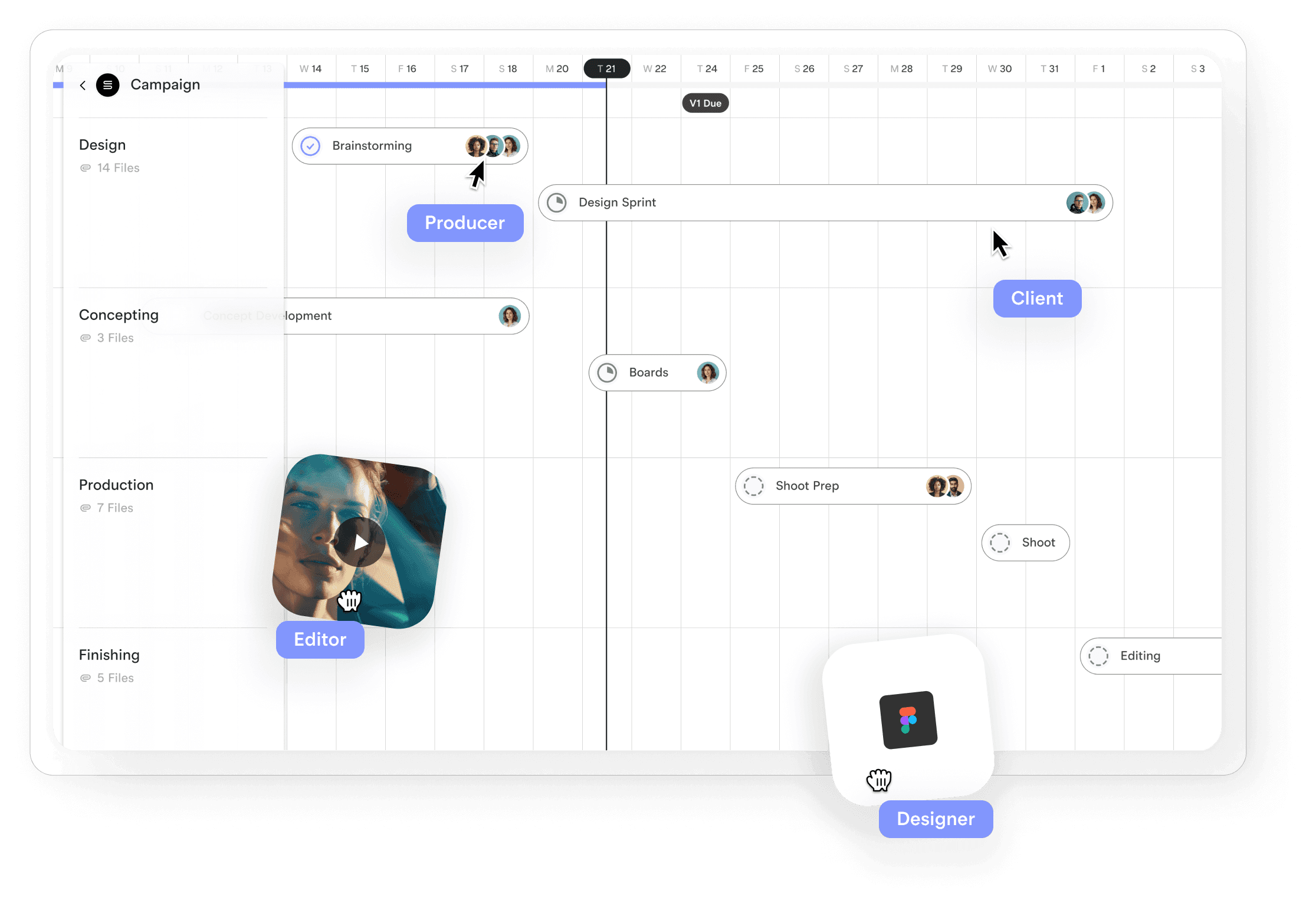
Partner.io connects partnerships directly to pipeline through:
Deal registration
Co-sell workflows
Partner onboarding
Agency management
Revenue attribution
CRM integration
Account mapping
One feature illustrates the difference particularly well.
AI Deal Surround identifies which existing partners should be activated around a live opportunity.
Most platforms track what happened.
Partner.io helps influence what happens next.
That's a fundamentally different approach.
2. Impartner
Best for: Enterprise channel ecosystems
Impartner is one of the most established names in the PRM category.
It offers deep functionality, extensive automation and strong governance controls.
Powerful for large organisations.
Often heavier than necessary for mid-market SaaS businesses.
3. Allbound
Best for: Partner enablement
Allbound combines partner portals, training and content distribution.
A strong fit for structured reseller ecosystems and formal certification programmes.
4. ZiftONE
Best for: Complex channel sales
ZiftONE combines PRM and channel marketing capabilities.
Particularly useful for organisations managing distributors, resellers and large partner networks.
5. Crossbeam
Best for: Account mapping
Crossbeam helped define ecosystem-led growth.
Its strength lies in identifying customer and prospect overlap between companies.
Many organisations use it alongside a PRM rather than instead of one.
6. Reveal
Best for: Ecosystem intelligence
Reveal focuses on account overlap, opportunity discovery and partner influence.
Useful for uncovering partnership opportunities already hidden within existing data.
7. PartnerPortal.io
Best for: Early-stage partner programmes
A lighter-weight platform focused on onboarding, communication and partner management fundamentals.
Suitable for companies formalising their first partner programme.
The RAMP Framework for Choosing a PRM
Most evaluations start with feature comparisons.
The best ones start with business reality.
Use the RAMP framework.
Revenue Motion
What drives growth?
Agencies
Referrals
Integrations
Resellers
Strategic partnerships
Different motions require different systems.
Alignment
How connected are partnerships and sales?
The closer that relationship becomes, the more important CRM integration becomes.
Measurement
Can you answer these questions?
Which partners create pipeline?
Which partners influence revenue?
Which partners accelerate deals?
If not, visibility is the bottleneck.
Process
Can the programme double without doubling administration?
If not, operational efficiency matters more than recruiting another hundred partners.

What This Looks Like in Practice
A SaaS company had over 100 active partners.
The programme looked healthy.
Referrals arrived every month.
Partners were engaged.
Commissions were paid.
Revenue barely moved.
When they investigated, the problem became obvious.
Sales teams didn't know which partners could help on active opportunities.
Agencies weren't connected to deals.
Partner influence wasn't measured.
Nobody could identify which relationships deserved investment.
The solution wasn't recruiting more partners.
It was operationalising the partners they already had.
Once account mapping, deal registration and partner visibility were introduced, partner-sourced pipeline increased without adding a single new partner.
That's the shift many businesses eventually make.
From partner management to partner execution.
Questions Worth Asking Before You Switch
Before evaluating PartnerStack alternatives, ask:
Are partnerships a marketing channel or a revenue channel?
Can sales teams engage partners from inside their workflow?
Can we measure partner influence on revenue?
Are agencies becoming more important than affiliates?
Can leadership see partner contribution to ARR?
The answers usually point to the right platform.
The Future Belongs to Partner-Led Revenue
The old model was simple.
Recruit more partners.
Generate more referrals.
Pay more commissions.
The companies pulling ahead are doing something different.
They're identifying the right partners for each opportunity.
Connecting partners to sales teams.
Mapping accounts.
Tracking influence.
Creating pipeline before competitors even know the opportunity exists.
Partnerships are becoming a revenue discipline.
The platforms built for that future look very different from the ones built for referral management.
That's why so many fast-growing SaaS companies looking beyond PartnerStack are landing in the same place.
Not because they need another partner portal.
Because they need a system that turns partnerships into revenue.
That's where Partner.io was built to win.
Ready to turn your partner ecosystem into a predictable revenue channel? Book a demo and see how Partner.io helps teams identify, activate and measure the partners that drive growth.