Product
Statement of Work Template That Drives Real Execution | Assemble

The Modern Statement of Work: A Better Way to Run Projects
Why Every High-Performing Team Needs a Smarter Statement of Work Template
Projects rarely fail because people do not care. They fail because expectations are fuzzy, responsibilities blur, and decisions get made on half-written documents that no one really owns.
If you have ever opened a Statement of Work that felt more like a legal relic than a living plan, you already know the problem. A good SOW should not just protect you contractually. It should align teams, set momentum, and make the path forward obvious.
That is where modern, flexible templates change everything.
This guide walks through what an effective Statement of Work or proposal should actually do, how to structure it for real work, and how tools like Assemble turn static documents into living systems your team can actually use.

The Real Job of a Statement of Work
At its core, a Statement of Work is a decision document. It answers four questions before a single task begins:
What are we trying to achieve?
What exactly are we delivering?
Who is responsible for what?
How will we know when it is done?
When those answers live in disconnected docs, spreadsheets, and inbox threads, projects drift. When they live in one clear, shared workspace, work accelerates.
A strong SOW is not about bureaucracy. It is about clarity.
Section by Section: What a High-Impact SOW Actually Includes
Below is a refined structure built from your original outline, rethought for teams that value speed, alignment, and accountability.
1. Project Overview
This is where context lives. Not a legal paragraph, a real explanation of why the project exists.
A good overview names the client, the project, who prepared it, and when it was created. More importantly, it captures purpose. What problem are we solving? What does success look like in plain language?
When built in Assemble, this becomes a living intro that can be referenced, updated, and shared across the project lifecycle.
2. Objectives That Guide Decisions
Objectives should not be vague aspirations. They should be directional anchors.
Instead of “Improve onboarding,” try:
Reduce partner onboarding time from three weeks to five days.
Enable self-serve access to training and resources.
Launch a scalable partner program without adding headcount.
When objectives are specific, every future decision becomes easier. Teams stop guessing what matters.

3. Scope of Work Without the Grey Areas
Scope is where most projects quietly break.
A clear SOW separates what is included from what is not. In-scope services describe exactly what will be delivered. Out-of-scope exclusions protect both sides from assumptions.
For example:
In scope: Portal setup, workflow configuration, partner onboarding templates.
Out of scope: Custom integrations, long-term support beyond launch.
In Assemble, scope becomes structured content, not static text. That means fewer misunderstandings and faster alignment.
4. Deliverables You Can Actually Track
Deliverables should be concrete, visible, and owned.
Each deliverable needs four things:
What it is
What it includes
Who owns it
When it is due
Once those live in a collaborative workspace, progress stops being a mystery. Everyone can see what is coming and who is responsible.

5. Timeline and Milestones That Keep Momentum
A timeline is not just a list of dates. It is a narrative of progress.
Kickoff
Design and planning
Implementation
Testing and QA
Go live
Project closeout
Each phase should explain what “done” looks like. Assemble lets you connect milestones directly to deliverables, so deadlines are tied to real outcomes, not abstract phases.
6. Roles and Responsibilities Without Overlap
Clarity on ownership prevents friction later.
Every role should answer one question: who is accountable when something stalls?
Project Manager
Implementation Lead
Client Sponsor
Technical Subject Matter Expert
When these are mapped clearly inside a shared template, escalation becomes easier, communication becomes cleaner, and meetings get shorter.
7. Assumptions and Dependencies That Surface Risk Early
Most project delays come from things no one wrote down.
Assumptions document what must remain true for the plan to work. Dependencies highlight what the project relies on, whether data access, stakeholder availability, or third-party approvals.
By capturing these early, teams prevent surprises later.
8. Pricing and Payment Terms Without Confusion
Financial clarity protects relationships.
Each service or deliverable should be tied to cost and billing timing. Total project fees should be visible at a glance. Payment terms should be written in simple language.
This is not just about finance. It builds trust.
9. Acceptance Criteria That End Projects Cleanly
A project is only complete when both sides agree it is.
Acceptance criteria should define what success looks like in measurable terms:
Alignment with documented requirements
Successful testing
Formal sign-off
When these criteria live in your working document, there is no debate at the end.
10. Change Management That Keeps Scope Under Control
Every project changes. What matters is how.
A simple change request process protects timelines and budgets while keeping collaboration intact. When updates happen inside a structured template, you avoid endless email threads and version confusion.
11. Confidentiality and Compliance Without Legal Overload
This section does not need to be long. It needs to be clear.
Both parties agree to protect sensitive information and comply with relevant regulations. Nothing more. Nothing less.
12. Signatures That Finalise Commitment
Names, titles, dates, and signatures bring the document from planning into action. In Assemble, this step becomes seamless, without printing, scanning, or chasing files.

Why Templates Alone Are Not Enough
Most teams already have templates. The problem is where they live and how they evolve.
A PDF cannot adapt. A Word document does not connect tasks to outcomes. A spreadsheet cannot tell a project story.
Assemble changes that.
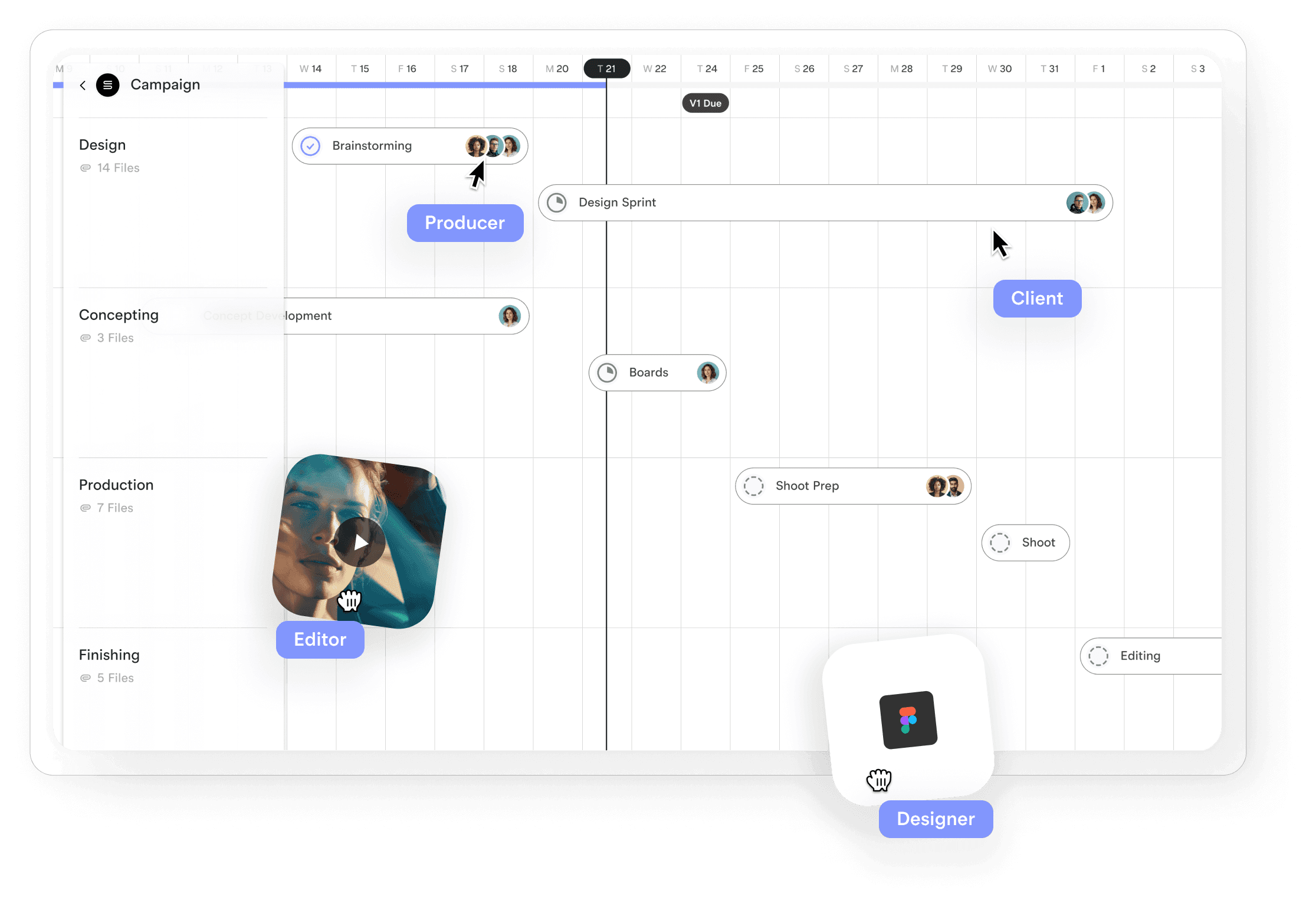
Instead of treating your SOW as a static file, Assemble turns it into a dynamic workspace. You build once, then reuse, refine, and scale. Objectives link to deliverables. Timelines connect to responsibilities. Changes update in one place, not across ten documents.
The result is not just a better SOW. It is better execution.
Turning Your SOW Into a System
The most effective teams do not reinvent documents for every project. They build systems that adapt.
With Assemble, your Statement of Work becomes:
A reusable template you can customise in minutes
A single source of truth for scope, roles, and timelines
A live workspace that evolves as the project does
That means fewer misunderstandings, faster delivery, and a clear record of what was agreed and what was delivered.
Build Once. Deliver Better.
If your current SOW lives in folders, attachments, and half-remembered versions, it is costing you time and clarity.
Assemble gives you a smarter way to create, manage, and scale documents that actually drive work forward.
Build your next Statement of Work as a living system, not a static file.
Try Assemble and turn your templates into tools that move projects from agreement to execution.