Product
Event Planning Template for High-Impact Tradeshows

The Event Planning Template That Prevents Chaos
Most events fail long before the booth is built.
Not because the team is lazy. Not because the product is weak. They fail because nobody agreed on what success actually meant.
So marketing chases badge scans. Sales hunts meetings. Ops fights shipping deadlines. Finance asks for numbers no one can defend.
That’s not bad execution. That’s no system.
A serious event planning template fixes this before money is spent.
Start With Outcomes or Don’t Go
If your planning starts with booth size, you’re already off track.
Begin with four outcome categories:
1. Revenue Influence
Pipeline created. Pipeline accelerated. Revenue influenced.
2. Relationship Depth
Strategic meetings with named accounts. Partner conversations that matter.
3. Brand Positioning
Category presence. Competitive visibility. Message reinforcement.
4. Market Intelligence
Objections heard. Pricing signals. Competitor moves.
Each objective needs a number.
Not “brand awareness.”
Not “good exposure.”
A number.
Example:
25 qualified opportunities
12 Tier 1 account meetings
150 demo attendees
If you cannot measure it, cut it.
This forces trade-offs. Which is the point.

Define Who You Actually Care About
Events attract thousands. You need dozens.
Your template should list:
Target segments
Expected volume from each
Named accounts or VIPs
Not “enterprise buyers.”
Not “decision-makers.”
Be specific:
Customers renewing in 90 days
Prospects in active RFP
Integration partners evaluating co-marketing
When the audience is sharp, the messaging sharpens with it. Conversations improve. Follow-up gets cleaner.
Without this, you collect leads and hope.
Lock the Message Before You Design Anything
Collateral gets printed too early. Every time.
Your event brief needs a messaging block:
Core theme
Three talking points
Primary demo focus
One clear problem statement
Test it.
If someone walks past and asks, “What do you do?” does every team member answer the same way?
Consistency beats cleverness.
Turn Logistics Into a Controlled System
Booth layout. AV. Shipping. Travel. Registration. Lead capture.
These are predictable. What breaks is visibility.
Assign:
Clear owner
Deadline
Status
Dependencies
No floating tasks. No shared inbox confusion.
If lead capture testing is not complete two weeks before the event, that should be visible. Not discovered on day one.
Planning reduces drama. It does not eliminate effort.
Budget Like You’ll Be Cross-Examined
Events are expensive. Booth space, sponsorship, flights, staff time.
Track:
Budgeted cost
Actual cost
Variance
Notes
When someone asks, “Was this worth it?” you answer with numbers.
Not enthusiasm.
The Real ROI Is Decided After the Event
Most teams plan the event and improvise the follow-up.
That’s backwards.
Before the event starts, your template should define:
Lead scoring rules
Follow-up timeline
Owner per segment
Debrief date
Reporting window
If follow-up is not structured, momentum dies fast.
What This Looks Like
Team A returns with 180 leads.
Ten days later, half are untouched. Sales complains about quality. Marketing struggles to attribute pipeline. Leadership questions the spend.
Team B returns with 180 leads.
Within 24 hours:
Tier 1 accounts receive personal outreach
Qualified leads enter defined sales paths
Lower-priority contacts enter nurture
A 30-day impact review is scheduled
Same event. Different system.

Measure ROI in Layers
Event ROI is rarely immediate. Measure it in three windows:
0 to 30 days
Meetings booked. Pipeline created.
30 to 90 days
Deals accelerated. Influence on open opportunities.
3 to 12 months
Win rate changes in exposed accounts. Repeat engagement.
Anything less is guesswork.
The Hidden Failure Point
Most event information lives everywhere:
Slides. Spreadsheets. Slack. Email threads. Random docs.
Fragmentation creates mistakes.
A proper event planning template centralises:
Objectives
Audience
Messaging
Logistics
Budget
Contacts
Post-event execution
One working source of truth.
No reconstruction required.
Templates Beat Talent
Even strong teams drift without structure.
A sharp template reduces repetition. It exposes gaps early. It forces alignment. It speeds decisions because the thinking is already framed.
That’s where Assemble fits naturally.
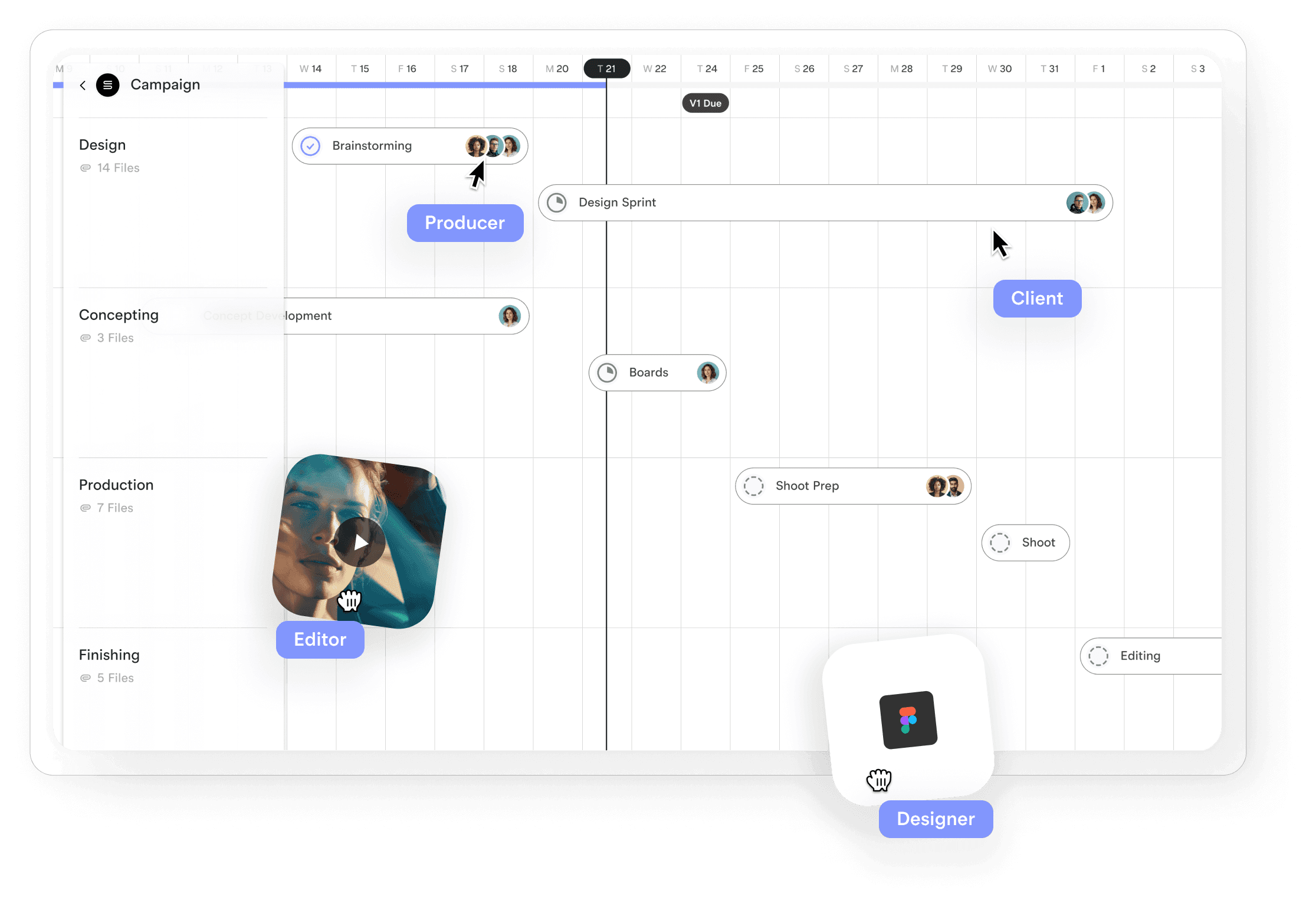
Instead of rebuilding your event document every quarter, you create a reusable event planning template inside Assemble. Objectives, owners, timelines, and follow-up logic are baked in. The next event launches from a system, not a blank page.
Each iteration gets tighter. KPIs improve. Follow-up strengthens. Planning time drops.
Execution stops feeling chaotic.
Build the System Once
If you run multiple events a year, improvisation is expensive.
Build the template once. Refine it. Reuse it.
Assemble gives you the structure to do that without friction.
Next event, don’t start with logistics.
Start with a system.
Ready to stop rebuilding the same event doc every quarter? Start your event brief in Assemble today.