Product
SEO Content Calendar Template That Actually Works

SEO Content Calendar Template That Actually Works
Your content calendar looks busy.
Traffic is flat.
Conversions are random.
No one can explain what is working.
That is not a content problem. It is a system problem.
An SEO content calendar template should connect three things: search demand, execution, and revenue. If it cannot do that, it is a spreadsheet with dates.
Most teams are publishing. Very few are building an engine.
Why Most Content Calendars Break
Here is what usually happens:
Ideas get added because they sound interesting.
Keywords are chosen without commercial intent.
Promotion is improvised after publishing.
Performance lives in a separate report that no one checks.
The result is activity without leverage.
An effective SEO content strategy does not revolve around volume. It revolves around alignment. Every piece must support a defined outcome.
If it does not, cut it.
The 5 Layers of a Real SEO Content Calendar
A working SEO content calendar template has structure. Not tabs. Structure.
1. Strategic Intent
Before you write a title, define:
What revenue goal this supports
Which product or category it ties to
What action the reader should take
How success will be measured
If you cannot answer those in one minute, the topic is not ready.
This is the filter most teams skip.
2. Contextual Backlog
Your editorial calendar template should include:
Title
Content type
Primary keyword
Search intent
Owner
Status
Publish date
Channel
That is the minimum.
Without search intent and ownership, your backlog is noise.
3. SEO Targeting That Forces Clarity
Each piece needs:
One primary keyword
Three to five supporting keywords
Meta title
Meta description
URL slug
Estimated search volume
Difficulty score
This is not about chasing metrics. It is about writing with direction.
When writers understand the keyword planning framework behind a piece, the content sharpens immediately.
4. Distribution Built In
Publishing is not the finish line.
Your content planning template must answer:
Where will this be promoted
What is the hook
Who owns distribution
Is paid support justified
If distribution is not planned, results will be inconsistent. Every time.
5. Performance in the Same System
Tracking should live inside the calendar:
Publish date
Organic sessions
Click through rate
Conversions
Backlinks
Notes
Now your SEO content calendar becomes a feedback loop.
Patterns emerge fast. Certain topics convert. Others attract links. Some bring traffic and nothing else. That insight should reshape the next month’s plan.
If reporting sits elsewhere, learning dies.

The Cluster Stack Model
Here is a structure that compounds.
Pillar topic
Supporting cluster articles
Conversion asset
Refresh cycle
Pillar topic
Broad, high intent keyword. Deep, authoritative content.
Supporting clusters
Long tail queries that link back to the pillar.
Conversion asset
Template, checklist, or tool tied directly to the topic.
Refresh cycle
Update every six to nine months. Improve internal links. Tighten positioning.
This is how an SEO content strategy builds authority instead of scattering effort.
Random publishing feels productive. Clusters build leverage.
What This Looks Like in Practice
A SaaS team wanted to rank for “pricing strategy template”.
Instead of writing one article, they built a structure:
A comprehensive guide to pricing and packaging.
Supporting posts on tier design, usage based pricing, and ARR modelling.
A downloadable pricing template embedded in the guide.
A defined promotion plan.
Because everything sat inside one SEO content calendar template, they could see what mattered.
The pillar drove traffic.
The template drove conversions.
One cluster piece attracted most backlinks.
They doubled down on that theme the following quarter.
No guessing. No bloated backlog. Just iteration.
How to Build Yours
Start with focus.
Define Monthly Priorities
Document:
Core themes
Must publish pieces
Experiments worth testing
If everything is a priority, nothing is.

Connect Keywords to Outcomes
For each idea, ask:
What business objective does this support
What action should the reader take
Does the search intent align with that action
If not, adjust the topic or drop it.
Design a Clear Workflow
Your content marketing workflow should include defined stages:
Idea
Briefed
Drafting
Review
Scheduled
Published
Optimising
Clarity reduces friction. Friction kills consistency.
Review Monthly
Identify top performers.
Update underperformers.
Kill weak ideas early.
Reallocate effort to what compounds.
An SEO content calendar template is not static. It evolves.
Where Most Systems Fall Apart
Spreadsheets were not built for structured knowledge work.
Rows multiply. Fields drift. Ownership blurs. Version control fails.
A proper content planning template should guide thinking, not just store information. It should connect strategy, keyword targeting, production, promotion, and performance in one place.
When that structure is missing, content becomes reactive.
When it is present, content becomes predictable.
Build the System Once
The goal is not to publish more.
It is to remove friction, increase clarity, and compound results.
That requires a template that reflects how your team actually works.
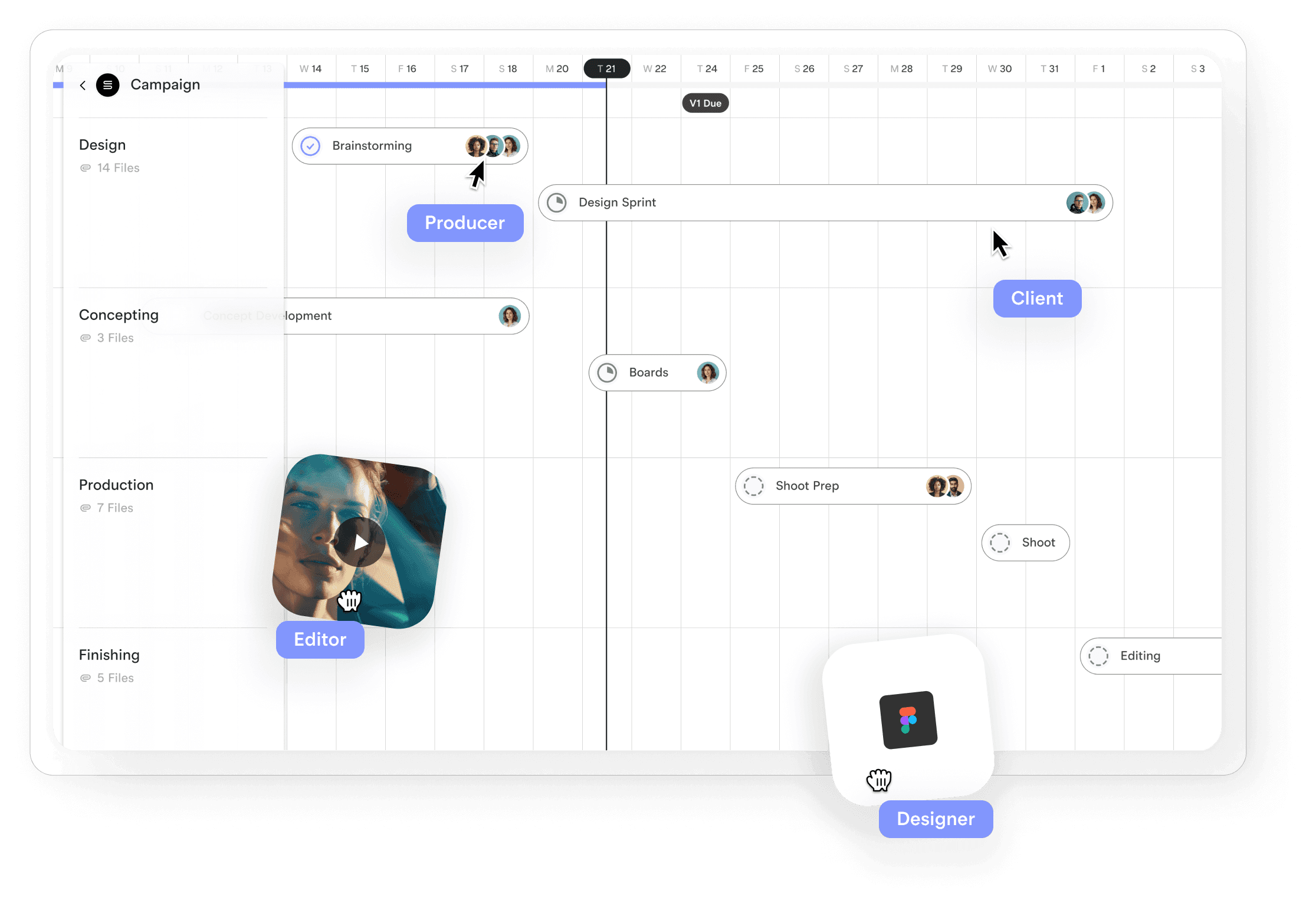
Assemble exists for this exact reason. You can build a structured SEO content calendar template that embeds your process, your fields, your review rhythm. No duplicated spreadsheets. No lost context. No disconnected reporting.
Over time, your template becomes infrastructure.
And infrastructure scales.
If your current calendar cannot explain what drives growth, rebuild it.
Start with the structure.
Then let the results compound.