Product
Mastering Remote Leadership: A Template-Driven Playbook

Mastering Remote Leadership: A Template-Driven Playbook
Leading a team at a distance can feel like juggling lit torches: thrilling when everything glows, disastrous if one drops. Remote work hasn’t broken leadership – it’s exposed weak leadership. What used to be patched with office presence now needs clear structure, priorities, and repeatable rhythms. In other words, success comes from systemizing how we work. Today’s leaders can hire talent from anywhere in the world, so we must hire great processes too. The fastest teams aren’t the ones with the flashiest apps; they’re the ones that start every new hire or project with the same proven playbook.
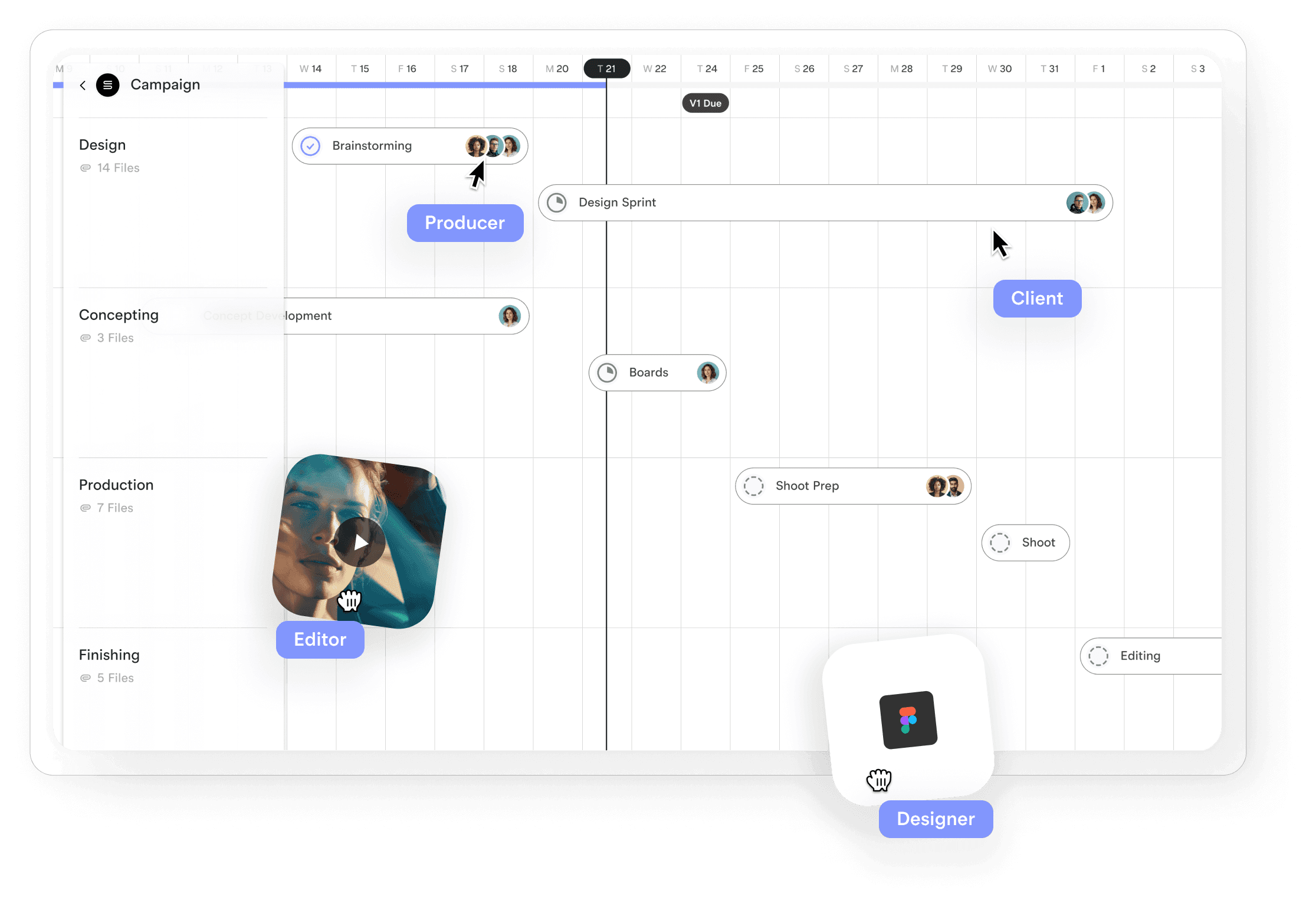
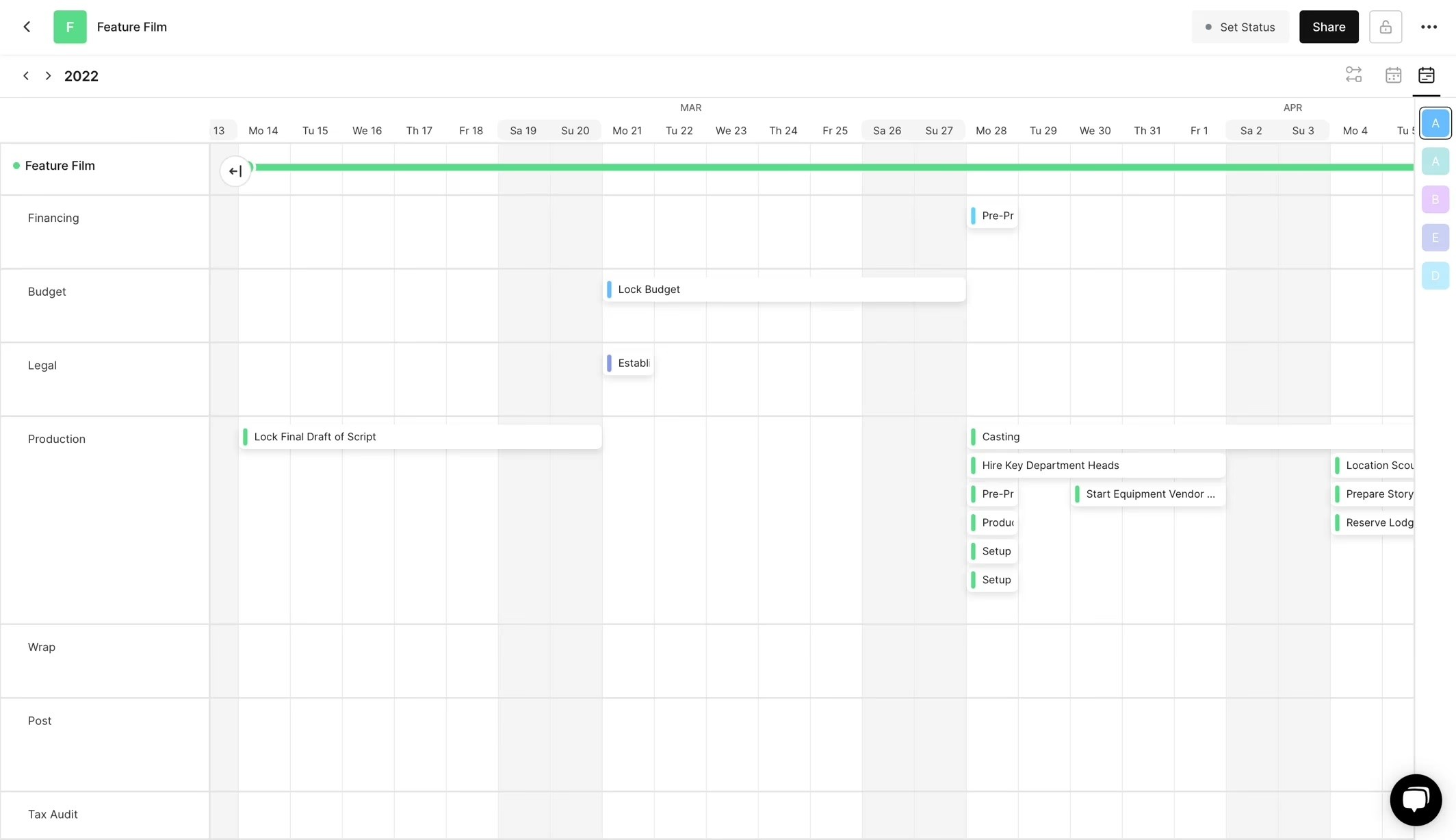
Setting up that playbook in a template builder is powerful. For example, Assemble lets you codify a remote-leadership system that every manager can copy. Once the framework is built, updates ripple across every team – leadership becomes less about remembering what to do and more about simply following the plan. In short, the trick is to design your leadership habits once and reuse them. Below, we break down the key ingredients of an effective remote-leadership guide and how they translate into daily practice.
Trust, Clarity, and Empathy
When you can’t oversee people in person, trust must replace tracking. Focus on outcomes, not on punching the clock. Make deliverables and ownership crystal clear, so progress is visible without checking inboxes all day. Align on roles and priorities in writing so no one assumes context from a glance or hallway chat.
Trust over hours: Measure results, not screen time. Break work into smaller deliverables and check those, rather than micromanaging daily tasks.
Clarity beats proximity: Write everything down. Goals, decisions, and expectations should be documented and easy to find. Clear documentation prevents confusion and keeps everyone on the same page.
Defined availability: Agree on core overlap hours, but allow flexibility outside them. Spell out response-time norms (for example, "reply within 2 hours on chat or 24 hours on email") so silence never becomes stress.
Lead with empathy: Remote work blurs home and work life. Check in on people’s challenges, encourage regular breaks, and be ready to adjust schedules. A little compassion goes a long way in building trust and morale.
Communication Without Chaos
Successful remote teams don’t suffer from too little communication – they suffer from random or overwhelming chatter. Instead, give everyone a sustainable rhythm of touchpoints and clarity.
Weekly one-on-ones: Meet individually with each person regularly. Use these video calls to support their growth and remove blockers. Track notes in a shared doc so follow-ups are clear. Frequent check-ins hugely boost engagement; Employees who meet with managers regularly are three times more engaged.
Brief daily/weekly stand-ups: Huddle quickly to run through each member’s priorities, progress, and problems. Keep it structured and time-boxed (e.g, 10 minutes). This sync keeps the whole team aligned and surfaces issues early.
Document decisions: Whenever a decision is made, capture it in writing: what changed, why, and what’s next. This habit prevents confusion and ensures any team member – whether present or not – can follow along.
Right channel, right purpose: Define how you use each communication tool. Reserve instant chat for quick questions and updates, use video calls for brainstorming or sensitive discussions, and use shared documents for plans and reference. Enforcing these norms keeps notifications relevant and reduces context-switching.
Clear Goals and Boundaries
Vague goals and shifting rules breed frustration. Make success concrete and visible.
Documented goals & KPIs: Set SMART objectives (Specific, Measurable, etc.) in plain language, and review progress often. For example, agree on quarterly targets, and touch base on them in each 1:1. When managers help set clear goals and priorities, engagement soars (around 69% of those employees are engaged).
Core hours with flexibility: Agree on a core window when everyone should be available (say 10 am – 3 pm), but outside that, let people manage their own time. This way, you get coverage when needed without demanding a rigid schedule.
Defined availability: Spell out response-time expectations so no one feels on-call 24/7. For instance, “I’ll be offline after 6 pm, and will respond to non-urgent messages the next morning.” Lead by example by sticking to your own boundaries.
Visible deliverables: Track tasks in a shared project or task tool, not buried in email or DMs. When everything moves through a project board or calendar, progress is clear, and nothing slips through the cracks.

Cultivating Culture Remotely
Culture isn’t a place – it’s a set of repeatable behaviors you encourage. In a distributed team, make culture-building intentional.
Celebrate wins: Give shout-outs in a public channel whenever someone reaches a milestone or does great work. Seeing praise on a shared Slack or Teams feed reminds everyone of successes and motivates the team.
Rituals and social time: Regularly build small rituals. For example, start weekly meetings with a quick “fun fact” check-in or end the week with a virtual roundup of highlights. Organize optional virtual social events (game nights, coffee chats, or book clubs) so people can connect informally. Research shows 19% of remote workers cite loneliness as their biggest challenge – these planned social moments help beat the blues.
Inclusive scheduling: Rotate meeting times if your team spans time zones, and always share meeting notes for anyone who can’t make it live. Written summaries give equal footing to team members who can’t attend an early call (or a late one).
Peer recognition: Make it easy for teammates to thank each other. Create a “kudos” channel or a simple form to share appreciation. Peer-to-peer praise becomes a routine way to reinforce positive culture.
Continuous Feedback and Growth
Feedback is a gift, especially in the absence of hallway chatter. Give it often and kindly.
Frequent feedback: Don’t wait for formal reviews. Offer brief, constructive feedback regularly on both good and improvable work. This keeps people growing incrementally and avoids surprises later.
Use video for sensitive talks: Complex or personal conversations (career growth, performance concerns, conflict) are best done face-to-face on video. Seeing each other’s expressions helps maintain empathy and trust when delivering feedback.
Log achievements: Keep a running list of wins and development points in a shared doc or within your template. By review time, nothing will be new – you’ll have a documented story of progress and lessons.
Plan development: Work with each person to map out their growth. Note skills they want to build, stretch projects to try, and potential mentors or courses. As one guide notes, “each person’s development plan is mapped inside the template,” so it stays front and center. Documenting these plans signals that their career matters.
Empower and trust: Give team members autonomy and involve them in decisions. Studies link trust-based culture to higher engagement and innovation. When people feel trusted to own parts of the work, they step up more eagerly.
Engagement and Wellbeing
Being remote can blur work-life boundaries. Keep well-being on the calendar.
Watch for burnout: Managers should look for signs of fatigue or isolation. If someone seems less communicative or misses deadlines, reach out and ask how they’re doing. Early check-ins can prevent bigger issues.
Encourage breaks: Model the behavior you want. Block off “no-meeting” times (for example, lunch hours or every Friday afternoon) so the team can focus or recharge. Remind everyone to take vacation days and actual lunch breaks.
Normalize balance: Talk openly about stress and mental health. Share tips for unplugging after hours. A flexible approach shows you value results over busyness.
Pulse surveys: Occasionally send short anonymous surveys or pulse checks to gauge morale and workload. Even a one-question survey can flag issues. Then act on the feedback – it shows you listen. As one Assemble guide notes, making wellbeing “operational” (via quick mood checks or stated no-meeting times) turns a vague idea into an everyday habit.
Tools and Rituals for Managers
Set up the nuts and bolts so you don’t reinvent the wheel each time. Simple practices keep the machine running smoothly:
1:1 meeting docs: Use a shared document for each one-on-one. Let the team member add agenda items ahead of time, and write notes during the meeting. This keeps each person’s history in one place.
Agendas and actions: Before any team meeting, publish an agenda. Afterward, end with a clear list of next steps or owners. This discipline ensures meetings stay productive.
Public recognition: Whenever someone helps out or crushes a goal, call it out in the team channel and send a quick private note too. Making praise visible helps reinforce positive vibes.
Async updates: Once a week, send a concise email or post summarizing project updates, decisions, and upcoming priorities. This bridges the gap for anyone who missed meetings and reinforces that information is available to all.

Quick Remote-Leadership Checklist
✔️ Schedule weekly 1:1s with each report.
✔️ Document team goals and progress. Share them where everyone can see.
✔️ Give public kudos weekly. Make recognition part of your routine.
✔️ Monthly reflection: Ask your team, “What’s working well? What can improve?” to gather ideas.
✔️ Quarterly career talks: Ensure growth conversations happen at least every few months.
Putting these pieces into practice can transform chaos into consistency. Remember, every process above can live in a template. Once you’ve set it up in Assemble, every manager and team automatically follows the same playbook. Updates you make (a new ritual, a refined goal, a different tool choice) propagate to everyone at once. It turns “remembering what to do” into a habit of simply following the system.
Ready to get started? Use a template-driven approach to embed these best practices in your workflow. With Assemble’s Remote Leadership template builder, you can quickly spin up a living playbook that adapts as your team grows. By building on a repeatable framework, your teams will stay aligned, engaged, and thriving – no matter where they work.