Startups
How to Write a Marketing Campaign Brief That Teams Actually Use

A campaign brief shouldn’t sit in a shared drive collecting digital dust. It should guide decision-making, keep execution tight, and help the team deliver results confidently.
Here’s how to make your brief a document that truly drives success.
Best Practices for Writing a High-Impact Campaign Brief
🤝 Collaborate from the Start
Bring in the right voices early: sales, product, execs, agencies. Shared creation = shared commitment.
✍️ Keep It Clear and Scannable
Use headings, bullets, visuals. Busy teams need fast insight, not blocks of text.
🎯 Ensure Strategic Consistency
Objectives → audience → messaging → tactics
If anything feels disconnected, refine before execution.
🔄 Treat It as a Living Document
Campaigns evolve. Update goals, dependencies, and deliverables as new information arrives.
🧩 Make It Accessible
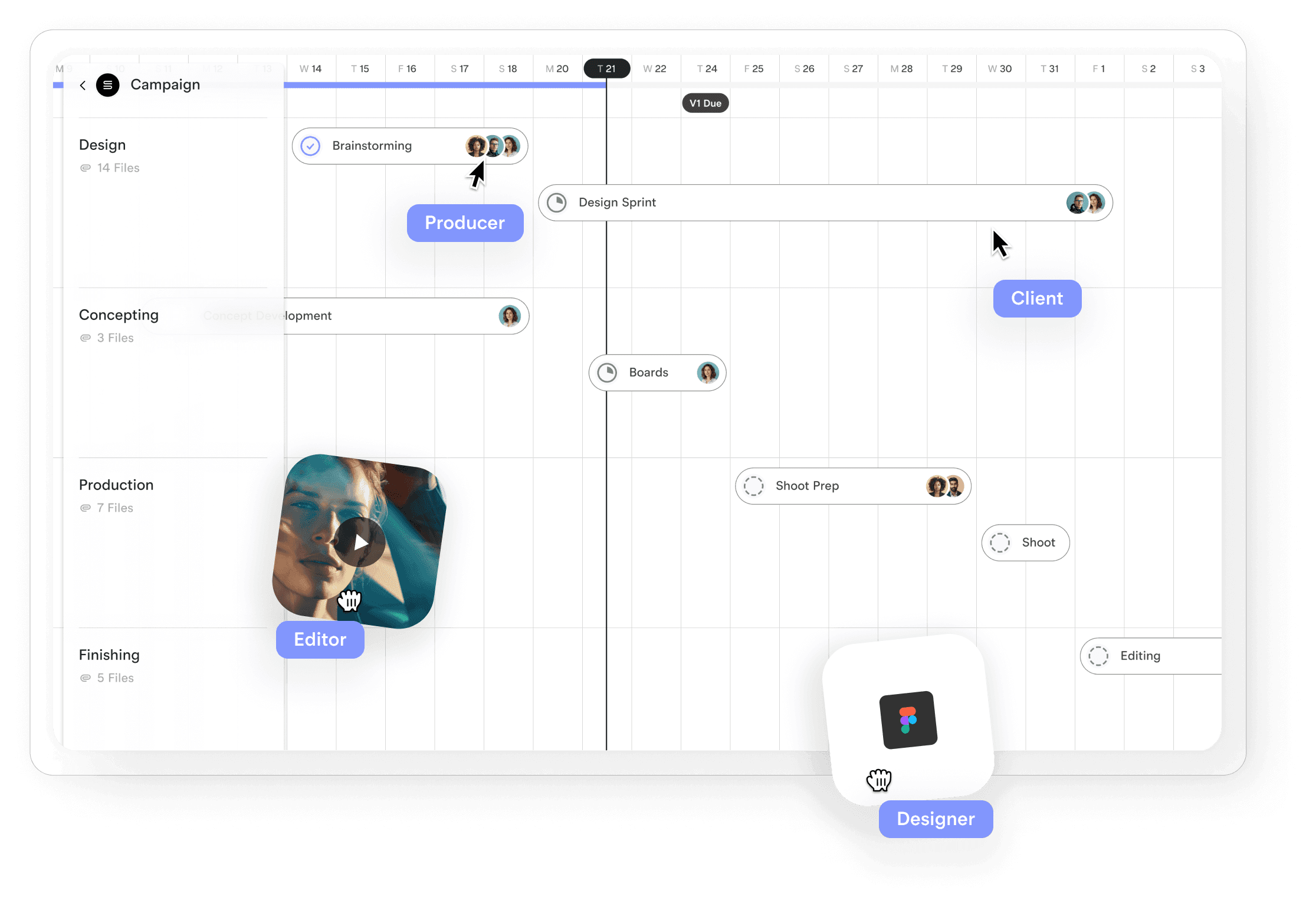
Share where people work: project tools, Slack, Drive, or even better…
The Role of a Brief in Creative Alignment
Clear boundaries don’t restrict creativity they enable it. When the team understands the story and the mission:
Concepts get sharper
Production gets faster
Messaging hits harder
Results become predictable
The brief becomes a source of inspiration, not admin.

Measure, Learn, and Improve
Post-campaign, compare outcomes to what was defined in the brief:
✔️ What worked?
✔️ What fell short?
✔️ What will we improve next time?
Your brief templates get smarter with every iteration.
Skip the Chaos. Start With Assemble.
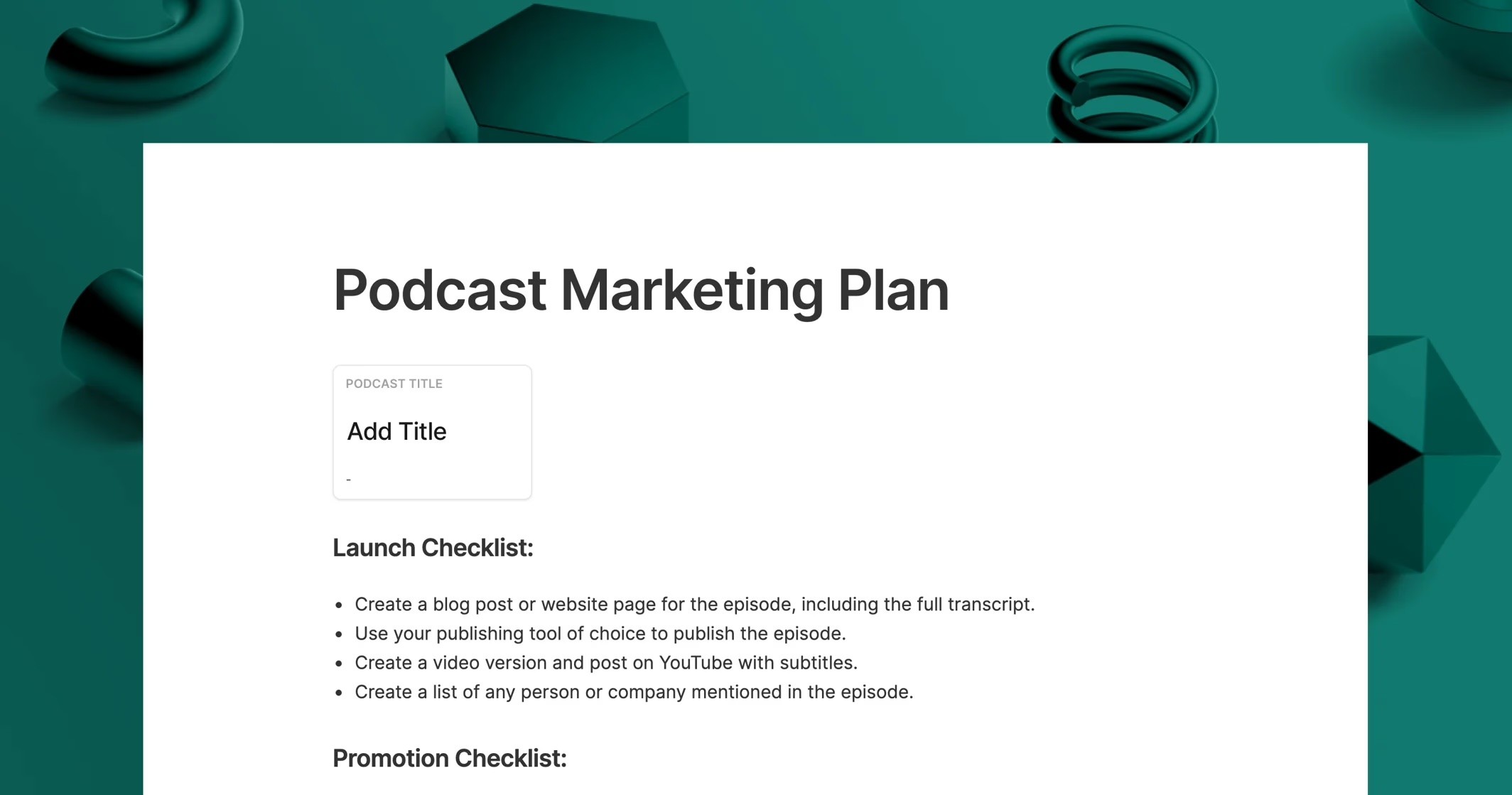
Assemble gives you ready-to-use templates for campaign briefs already structured around best practices like the ones above.
✨ Customise it. Share it. Collaborate in real time.✨
👉 Start with the Marketing Campaign Brief Template👈