Product
Campaign Pipeline Guide: Planning, Tracking, Reporting Templates That Drive Results

From Chaos to Clarity: Build a Campaign Pipeline That Actually Works
Most teams do not struggle because they lack ideas. They struggle because great ideas disappear into half written docs, scattered tools, and endless status updates. One campaign launches late. Another overlaps with something already in market. A third never gets reviewed properly because nobody owns the follow up.
It is not a creativity problem. It is a workflow problem.
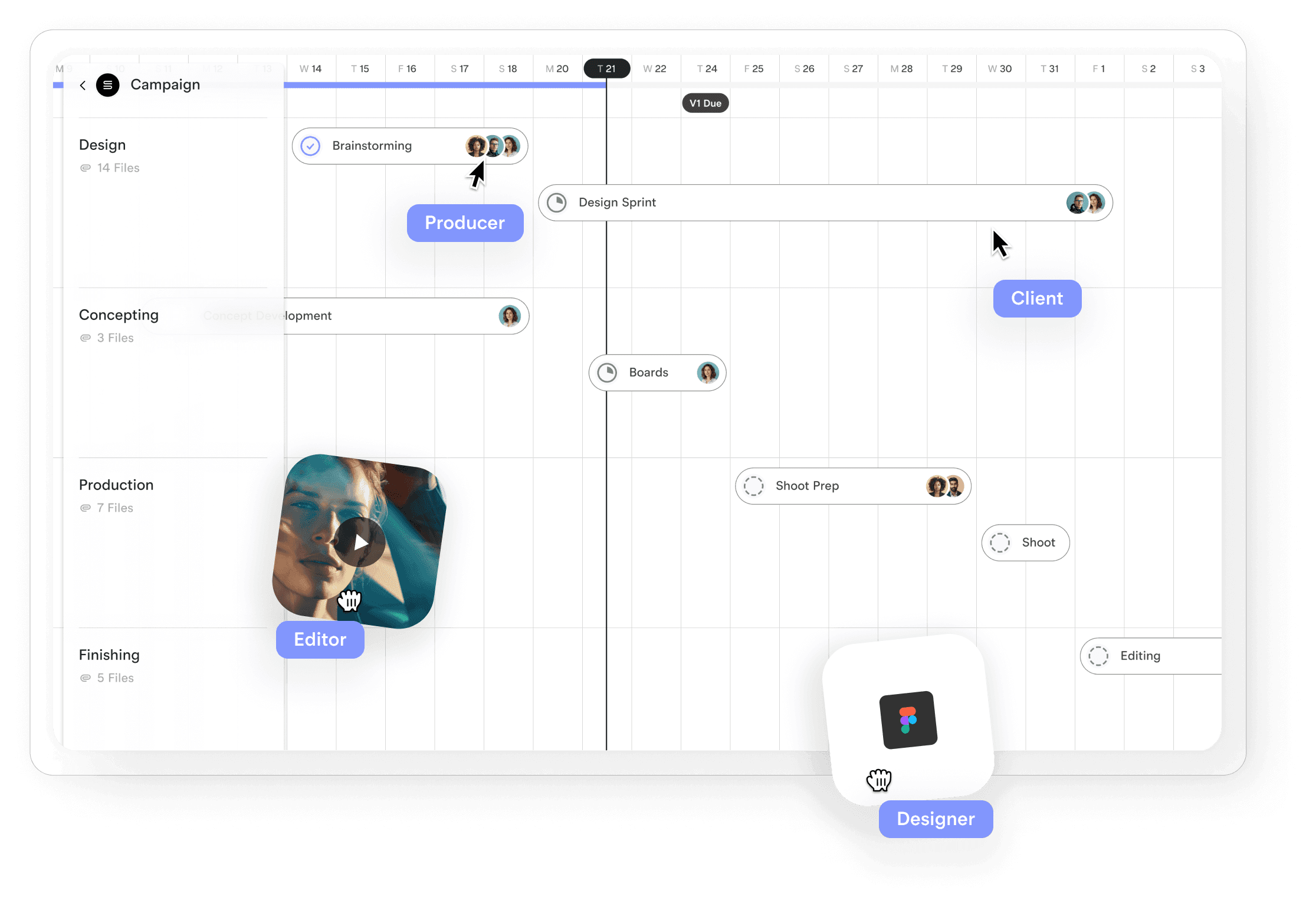
The difference between a team that feels in control and one that feels constantly behind is simple: a visible, shared campaign pipeline.
Not a spreadsheet that lives on one laptop. Not a project board that nobody updates after week one. A real, working system that shows what is coming, what is live, and what is done, with ownership, goals, and next steps all in one place.
That is exactly what a Campaign Pipeline Tracker is built to do.
Why campaign planning breaks down
If you have ever asked “What is actually live right now?” and heard three different answers, you already know the problem.
Here is what usually happens:
Planning happens in one document
Execution lives in another tool
Reporting sits in a third place, if it exists at all
Ownership becomes fuzzy as campaigns move between stages
Over time, teams stop seeing the whole picture. Decisions get reactive. Budgets drift. Post campaign learning is rushed or skipped.
A pipeline view fixes this by treating campaigns as a workflow, not a collection of one off projects.
What a campaign pipeline really gives you
A proper tracker does more than list campaigns. It creates operational clarity.
1. One source of truth
You can see planned, in flight, and completed work in one view. No hunting. No “Which version is right?”
2. Built in accountability
Every campaign has an owner, a launch window, and a goal. If something stalls, it is visible.
3. Decision making in real time
When budgets, goals, and stages are visible, you can spot conflicts early. You stop guessing and start prioritising.
4. Learning that compounds
Completed campaigns are not forgotten. Results, ROI, and follow ups live alongside the original plan, so every cycle gets smarter.

The workflow that keeps campaigns moving
A strong pipeline is simple on the surface, but powerful underneath.
1. Pipeline overview
At the top, you capture the big picture:
Report date
Owner of the pipeline
Total planned campaigns
Campaigns currently in flight
Completed campaigns year to date
This turns planning meetings into decisions, not updates.
2. Campaign pipeline table
Each campaign moves through three clear stages:
Planned: approved, scoped, not yet launched
In flight: live, active, being executed
Completed: finished, in reporting or review
For every campaign you track:
Name
Stage
Owner
Launch and end dates
Budget
Primary goal
Current status
It sounds basic, but this structure forces clarity. If a campaign has no owner or no goal, it is not ready to move forward.
3. KPIs by stage
Not every metric matters at every phase. A good tracker reflects that:
Planned: volume, readiness, resourcing
In flight: engagement, leads, performance indicators
Completed: pipeline impact, revenue, ROI
By separating KPIs by stage, you stop judging ideas before they are live and stop celebrating activity without outcomes.
4. Risks and bottlenecks
Every stage has friction:
Planned campaigns that never get final sign off
In flight work blocked by approvals or missing assets
Completed campaigns with no post mortem or follow up
Writing these down forces honest conversations about where work slows and why.
5. Next steps
The final section turns insight into action:
What needs to happen next
Which stage it belongs to
Who owns it
When it is due
This is where momentum lives. Without this, even the best plans fade.

Why most templates fail in practice
Many teams already have “a template”. The problem is that it often lives in a static file that cannot evolve with the work.
Common issues:
People duplicate the file instead of working in one shared version
Nobody updates it once execution starts
Reporting is bolted on at the end, if at all
The structure does not reflect how work actually flows
A template should not be a document you fill in once. It should be a living system that adapts as campaigns move.
How Assemble turns this into a working system
Assemble is built for exactly this kind of workflow. Instead of giving you a static form, it gives you a flexible, collaborative template that becomes part of how your team actually operates.
With a Campaign Pipeline Tracker in Assemble, you can:
Customise the structure to match your stages, metrics, and reporting needs
Share a single live version so everyone works from the same source of truth
Collaborate in real time across planning, execution, and review
Turn templates into repeatable processes instead of one off documents
You are not just tracking campaigns. You are building an operating system for how work moves from idea to outcome.
What changes when your pipeline is visible
Teams that adopt a real pipeline stop asking basic status questions. They start asking better ones.
Which campaigns are worth doubling down on next quarter?
Where are we consistently losing momentum?
What type of work actually drives results, not just activity?
Clarity creates confidence. Confidence creates better decisions.
Skip the chaos. Start with a system.
If your campaign planning feels scattered, it is not because your team lacks skill. It is because the process is not built to scale.
A Campaign Pipeline Tracker gives you structure. Assemble gives that structure life.
Build once. Reuse forever. Turn planning into momentum.
👉 Start with the Campaign Pipeline Tracker in Assemble and see what changes when your work finally has a clear path from idea to impact.
Great decisions do not happen by accident. They happen when thinking is visible 💡
Assemble gives you an Architecture Decision Record template built for how real teams actually work. No academic fluff. No bloated process. Just a clean structure for capturing context, comparing alternatives, and locking in outcomes, so your decisions still make sense months down the line.
Build once. Improve as you go. Keep every choice clear, searchable, and future-proof 🔒
🚀 Customise it. 🤝 Share it. ⚡ Collaborate in real time.
👉 Start with the Architecture Decision Record template.