Product
Bug Triage That Actually Works | Defect Reporting Template for Modern Teams

The Bug Report That Actually Gets Fixed
Every product team knows the feeling. A bug gets reported in a rush. Half the details are missing. Screenshots live in Slack. Logs are “somewhere”. A week later, the same issue resurfaces, everyone swears it was already fixed, and trust quietly erodes.
Bugs don’t sink products because they exist. They sink products because nobody can see them clearly enough to deal with them properly.
A strong bug triage and defect report template does one thing exceptionally well. It turns chaos into shared understanding.
Not bureaucracy. Not paperwork theatre. Just clarity.
Why Most Bug Reports Fail Before Engineering Even Looks at Them
The problem is rarely effort. It’s structure.
One person writes a novel. Another drops a one-line complaint. Someone else pastes a screenshot with no context and vanishes. Engineering gets pulled into guesswork mode. Product tries to prioritise with incomplete information. QA ends up re-testing the same thing twice.
When the same questions keep coming up, what environment was this in, can you reproduce it, how bad is it really, the system is broken, not the people.
This is where a proper bug triage template earns its keep.

Start With Metadata That Removes Ambiguity
Every defect needs an identity. Not just a title, but enough framing to make it real.
A unique bug or ticket ID. Who reported it. When it surfaced. Where it happened. The exact module or feature affected. Current status. Clear ownership.
This isn’t admin fluff. It’s the difference between a bug that drifts and a bug that moves. When ownership and environment are explicit, conversations get shorter and decisions get faster.
Describe the Bug Like You Want Someone Else to Fix It
A good bug description reads like a short story with no filler.
A tight summary that explains the issue in plain language. Step by step reproduction that a tired engineer can follow without guesswork. A clear picture of what should have happened versus what actually happened. Screenshots, logs, or traces when they add signal, not noise.
If someone unfamiliar with the system can understand the problem, you’ve done it right.
Severity and Priority Are Not the Same Thing
This is where many teams trip up.
Severity answers one question. How badly does this break things?
Priority answers another. How soon do we deal with it?
A cosmetic bug in the checkout flow might be minor in severity but high in priority. A rare edge case crash might be critical but lower priority if it affects almost nobody.
Writing this down forces the trade-off into the open. No more silent assumptions. No more last-minute arguments in sprint planning.
Root Cause Is a Gift to the Future
Root cause analysis doesn’t need to be perfect. It just needs to exist.
A suspected cause. Relevant error logs. Links to related issues. Patterns you’ve seen before.
Even partial insight helps. It stops the same class of bug from coming back in six months wearing a different hat. It also builds a quiet knowledge base over time, one that new team members lean on without even realising it.
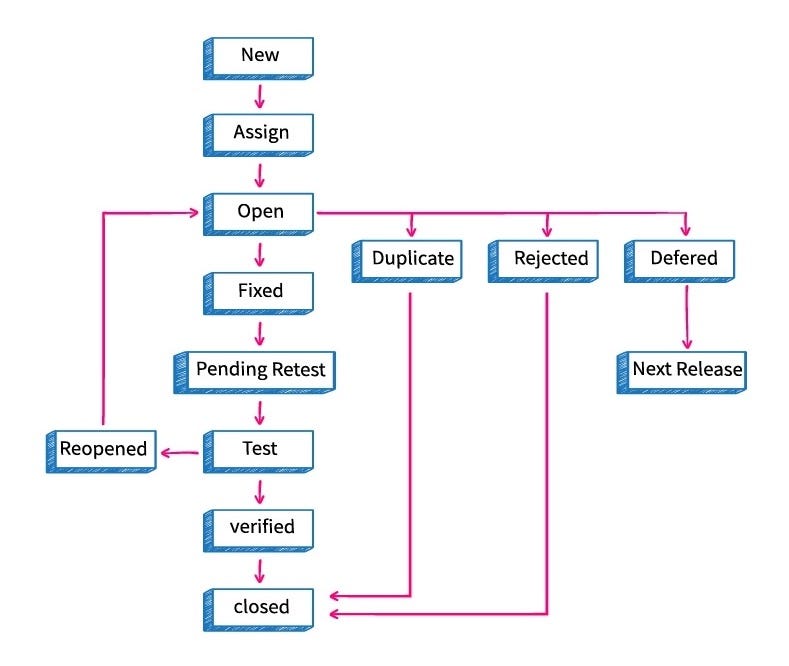
Triage Is a Decision, Not a Discussion
A bug triage meeting should end with movement.
Fix now. Defer. Or don’t fix at all.
Assign it to a sprint or release. Set a realistic ETA. Call out what testing is required, regression, unit, or both.
When these decisions live in the template, there’s an audit trail. Nobody has to rely on memory or scroll through old messages to understand why something was delayed or dropped.

Close the Loop Properly
Resolution matters more than speed.
Who implemented the fix. When it landed. Whether QA verified it successfully. Which release version includes it.
This final step turns a bug report into a complete lifecycle record. Discovery to delivery, all in one place. That’s invaluable when customers ask questions, incidents get reviewed, or patterns need to be spotted across months of work.
Why Templates Like This Change How Teams Work
The magic isn’t the fields. It’s the consistency.
When every bug follows the same shape, people stop arguing about format and start focusing on outcomes. Engineering trusts the input. Product can prioritise with confidence. QA stops being the glue holding everything together.
This is exactly why structured templates exist. Not to slow teams down, but to let them move faster with fewer mistakes.
Build It Once. Improve It Forever.
A bug triage template shouldn’t live as a static document that nobody updates. It should evolve as the product evolves. Fields added. Language refined. Context preserved.
This is where Assemble shines.
Assemble lets you turn this bug triage and defect report into a living template. One that your whole team can reuse, adapt, and improve without starting from scratch every time. No scattered docs. No reinvention. Just a clear structure that grows with you.
If you want bug reports that actually lead to fixes, not follow-up questions, start with the right template.
Explore Assemble and build a defect reporting system that works as hard as your team does.