Product
One-Page Performance Review Template That Actually Works

The One-Page Performance Review That Actually Gets Used
Most performance reviews collapse under their own weight.
Managers write pages of commentary. Leadership skims. Promotion discussions turn into guesswork.
The problem is not the evaluation. It is the format.
When performance lives inside long documents, the signal disappears. Nobody can see the real story.
A single page fixes that.
One page forces clarity. It highlights the work that mattered and removes everything else.
Not a report. A snapshot.

Why Long Performance Reviews Fail
Long reviews promise depth. In practice they create friction.
Three problems appear in almost every organisation.
Information gets buried
Important insights hide inside paragraphs. When calibration starts, nobody remembers where the signal sits.
Page seven rarely survives a meeting.
Comparisons break down
If every manager writes reviews differently, performance becomes impossible to compare. One review reads like a novel, another looks like bullet points.
The result is subjective decisions.
The future disappears
Most reviews explain the past but ignore what happens next. Growth becomes vague.
A one page snapshot fixes all three. It forces focus.
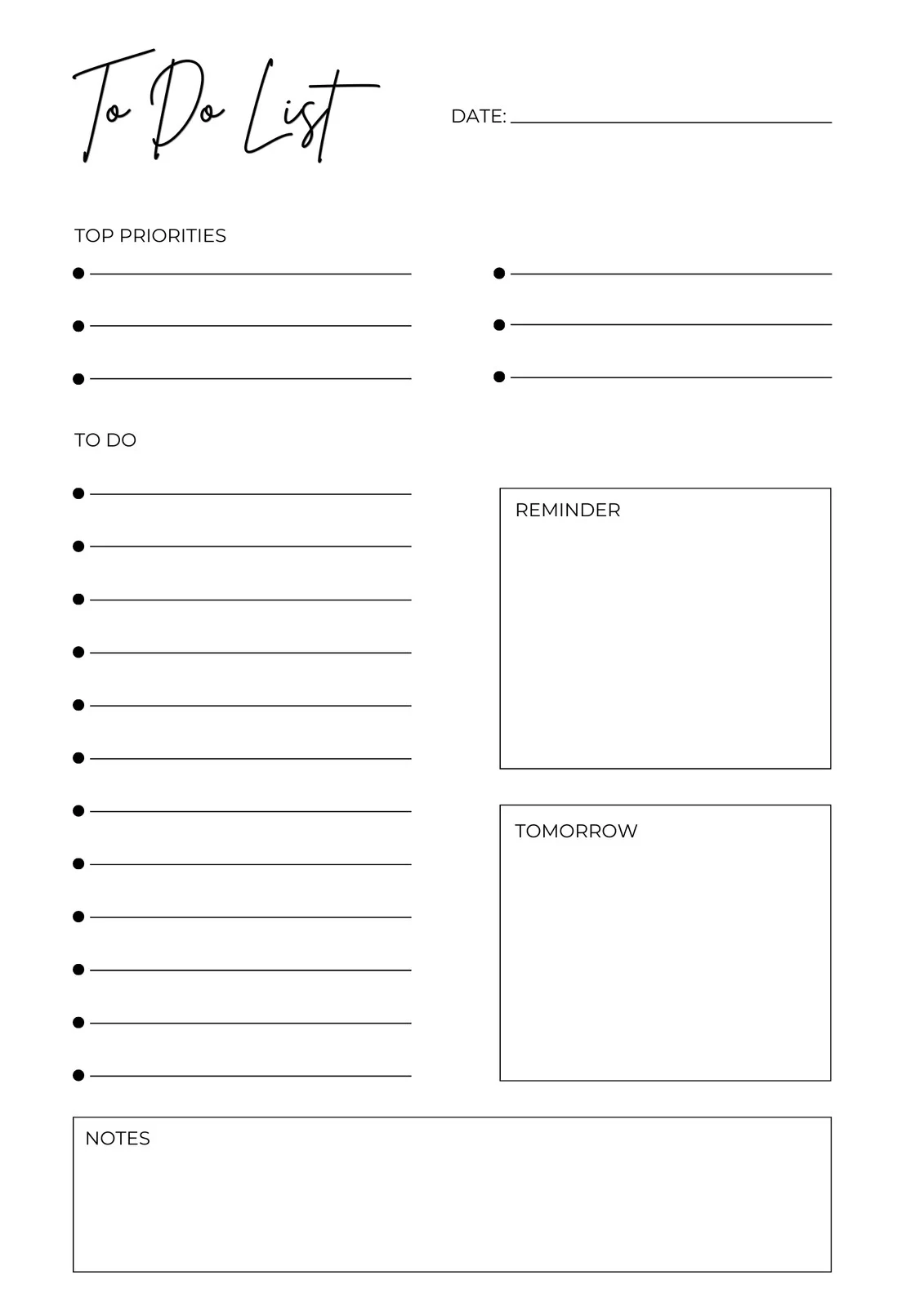
What a One-Page Performance Snapshot Should Contain
A strong snapshot compresses a full review cycle into a structured page.
Nothing decorative. Just the signal.
Employee context
Start with basic information.
Name
Role
Manager
Review period
This anchors the review and removes confusion later.
Overall performance rating
A clear evaluation.
Typical categories:
Exceeds expectations
Meets expectations
Needs improvement
This rating becomes the anchor for every conversation that follows.
Top strengths
Three to five behaviours that repeatedly produce results.
Not personality traits. Observable actions.
Examples:
Builds systems where chaos previously existed
Delivers projects ahead of schedule without lowering quality
Unblocks other teams during complex work
Concrete strengths create repeatable value.
Growth areas
Even strong performers have edges.
Focus on leverage points that unlock the next level of impact.
Examples:
Delegating work as scope expands
Communicating trade-offs earlier in projects
Prioritising strategic work over reactive tasks
Growth areas should guide development, not punish performance.
Key achievements
This section proves the impact.
Avoid activity lists. Focus on outcomes.
Instead of writing:
Worked on multiple initiatives
Write something real:
Launched a partner onboarding system that reduced setup time from three weeks to four days.
Impact earns attention.
Development priorities
This turns the review into a forward plan.
Goal 1
Goal 2
Skill to develop
When this section is clear, the next review cycle begins immediately.
Final manager notes
A short leadership signal.
Two or three lines are enough.
Promotion readiness
Leadership potential
Recommended stretch opportunities
Clarity beats commentary.
The SNAP Framework
Performance snapshots work best when the thinking behind them is structured.
Use the SNAP framework.
Signal
Define the overall performance rating and role context.
Notable strengths
Capture the behaviours that consistently drive results.
Achievements
Highlight measurable outcomes from the review period.
Priorities
Define the next cycle's goals and skills to develop.
Four sections. One page. No filler.
When every review follows this structure, calibration discussions become straightforward.
What This Looks Like in Practice
A product team recently replaced long narrative reviews with a one-page snapshot.
Before the change, managers wrote documents around 2,000 words long. Leadership struggled to compare performance across teams.
The new format forced discipline.
Managers identified the real signals instead of filling space. Calibration meetings became faster because every review looked the same.
Promotion discussions improved immediately. The evidence sat on one page.
Why Templates Matter
Once teams experience a clear performance snapshot, they rarely return to long documents.
But consistency breaks quickly without structure.
Templates solve that problem.
A template defines the fields, prompts, and sections before anyone starts writing. Every review follows the same logic.
Managers spend less time formatting documents and more time thinking about performance.
That shift compounds over time.
Reviews become easier to write. Easier to read. Easier to compare.

Build the Template Once
A strong performance review template should include:
Structured employee details
Standard rating options
Prompts for strengths and growth areas
A space for measurable achievements
Forward-looking development goals
Once built, the template becomes the standard.
No reinventing the review process every cycle.
Where Assemble Comes In
Templates only work when teams actually use them.
Assemble was built for exactly this kind of structured work.
Instead of scattered documents and inconsistent formats, teams create reusable templates that guide how work gets done.
Performance reviews become one of those templates.
Every manager starts with the same structure. Every review stays focused. Calibration becomes faster because the signal is visible.
The process stops being paperwork.
It becomes a tool.
The Real Point
Performance reviews should reveal impact, not hide it.
A one page snapshot does something most review systems fail to do.
It makes the work visible.
Build the template once. Use it every cycle.
That single page will tell you more than twenty ever could.
Create your own one-page performance snapshot in Assemble and bring structure to every review cycle.
Or explore how templates in Assemble turn recurring work into repeatable systems.