Product
Business Continuity Plan Template That Actually Works

Your plan fails the moment you need it
Most continuity plans look tidy. Filed, approved, forgotten.
Then something breaks. Systems go down. People scramble. No one opens the document.
That is the gap. Not effort. Not intent. Usability.
If your plan cannot be run under pressure, it is not a plan.

What actually matters in a disruption
Strip it right back.
People safe.
Revenue protected.
Customers informed.
Systems restored.
Anything else is secondary.
Plans fail when they try to cover everything. Good ones focus on what cannot fail.
The CORE model
Use this or expect confusion later.
Critical functions
List what must stay live.
Billing. Support. Core product. Nothing fluffy. If it does not hurt when it stops, it is not critical.
Ownership
Assign names.
Not teams. Not departments. One person per responsibility. If two people think they own it, no one does.
Recovery targets
Set the limits before the incident.
RTO is how long you can be down.
RPO is how much data you can lose.
If you cannot answer those, you are guessing with money on the line.
Execution steps
Write actions, not explanations.
Short. Ordered. Clear.
If someone half awake cannot follow it, rewrite it.

Risk is boring until it hits
Most incidents are predictable.
Cyber attacks.
Cloud outages.
Power loss.
Vendors breaking your stack.
People not available when you need them.
Different triggers, same outcome. Something critical stops.
Map each risk to what breaks. Then decide how you recover. No theory. Just impact and response.
Where most plans fall apart
They list functions but ignore dependencies.
Take support.
It needs a CRM, email, a ticketing tool, and trained people. Lose one and the function slows. Lose two and it stops.
So define it properly:
Function: customer support
Depends on: CRM, email, ticketing system, trained staff
Backup: secondary comms, access to knowledge base, cross trained cover
RTO: 2 hours
RPO: near zero
Owner: named individual
Do this for everything that matters.
Roles beat tools every time
During an incident, tools fail. People hesitate.
Clarity fixes that.
You need:
Incident lead, makes the call
Communications lead, controls the message
Systems lead, restores infrastructure
People lead, looks after the team
Vendor owner, deals with third parties
No overlap. No debate. Just action.

Communication is where trust is lost
You can fix systems and still damage the business if comms are slow or messy.
Decide this upfront:
How you alert the team
Who speaks to customers
Who handles partners and regulators
Where updates live
Write the messages now. Not during the incident.
Backups are not a strategy
Everyone says they have backups.
Most have never restored from them under pressure.
Set the basics:
How often data is backed up
How long restore takes
Who runs it
When it was last tested
If you have not tested it recently, assume it fails.
What good looks like
A SaaS company loses its primary database.
Within minutes, the incident lead takes control. Systems lead triggers failover. Customers get a clear update. Support switches tools.
Service returns fast. Data loss is minimal.
Same incident elsewhere.
No owner. Conflicting messages. Hours wasted deciding what to do. Customers left guessing.
The difference is not tooling. It is clarity.
Testing is non negotiable
You do not have a plan until you run it.
Break something on purpose.
Watch what happens.
Track response time. Ownership gaps. Confusion points.
Fix it. Then test again.

Static documents kill momentum
Most BCPs sit in a file no one opens.
Hard to update. Hard to navigate. Useless when it matters.
You need something people can use in real time.
Structured. Current. Easy to follow.
Turn it into a system
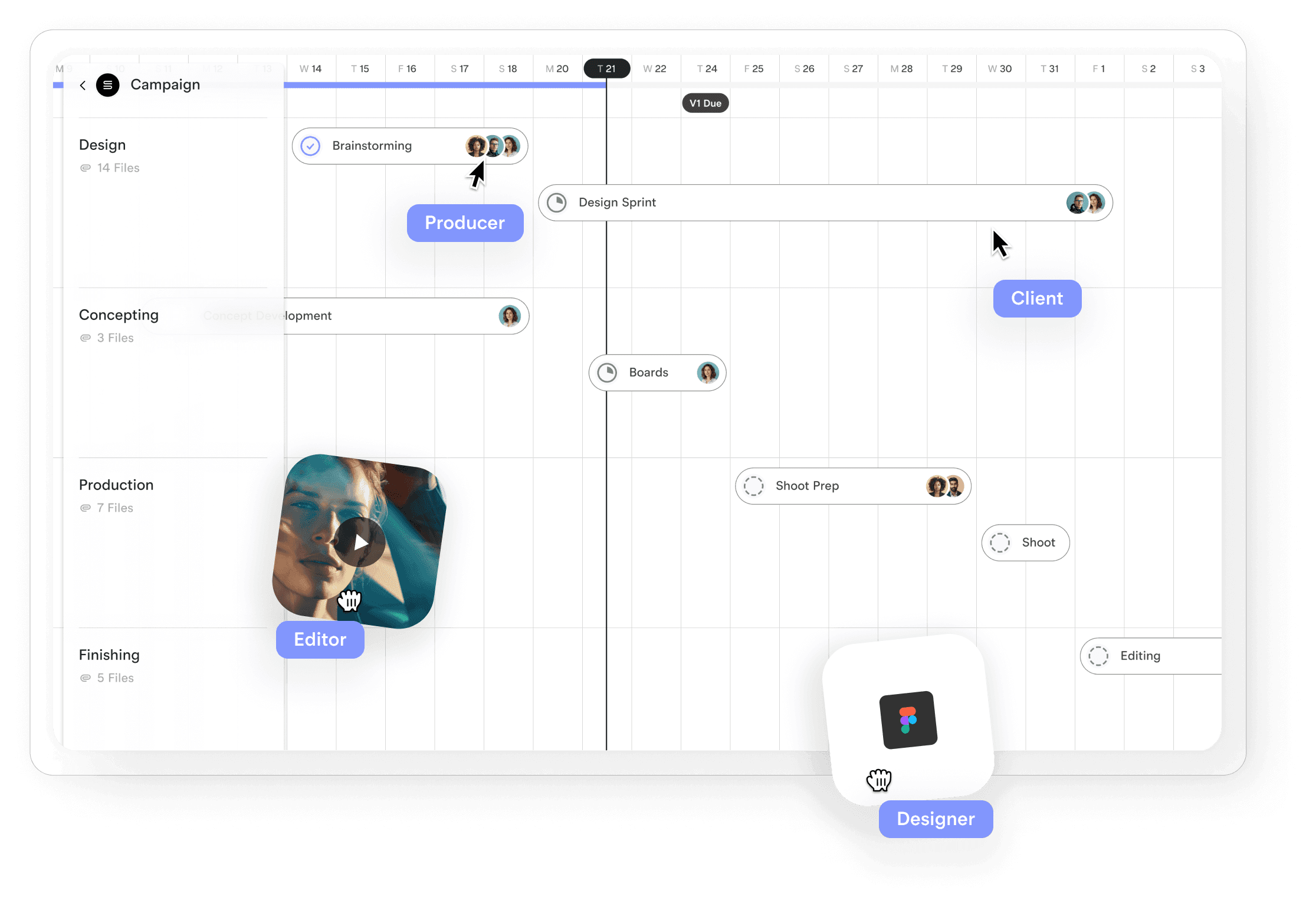
That is where Assemble fits.
You build the plan once, properly.
Templates lock in structure. Ownership stays current. Steps are clear. Updates are fast.
No digging through documents. No guessing who does what.
It becomes a working playbook.
The line most teams never cross
Writing a plan feels like progress.
It is not.
Execution is the only thing that counts.
If your team cannot pick it up and run it under pressure, scrap it and start again.
Or build it properly and make it usable.
That is the difference between a plan that exists and a plan that works.
Build your business continuity plan properly. Try Assemble and turn your plan into something your team can actually run.