Product
Training Plan Template That Actually Improves Performance

The problem with most training plans
Most training plans look busy and achieve nothing.
They list courses. They track attendance. They give the illusion of progress. Three months later, performance is unchanged.
The issue is not effort. It is structure.
A training plan only works if it links learning to outcomes, targets real gaps, and proves impact. Miss one and you are just organising activity.

Start with outcomes, not courses
Before you build anything, decide what must change.
Not “people are trained”. That means nothing.
Try this instead:
Sales cycle reduced by 15 percent
Onboarding time cut in half
Fewer customer escalations
More internal promotions
These are the anchors. Everything in the plan should point back to them.
Use a simple filter, the OAR model:
Outcome
What changes?
Activity
What learning supports it?
Result
How do we prove it worked?
If you cannot answer all three, cut it.
Map real skill gaps, not assumed ones
Most plans are built on guesswork.
Managers assume. Teams agree. Training rolls out. Nothing improves.
Treat skill gaps like a diagnosis.
For each role:
What skills are required right now?
Where is performance breaking down?
What is the blocker, knowledge, process, or confidence?
Then rank each gap:
High impact, urgent
Important, not urgent
Low priority
Now you have something usable.
Look at where work slows down or escalates. That is where the real gaps sit.

Design training that fits the work
Workshops alone do not change behaviour.
People learn when training is tied to what they are already doing.
Use a mix:
Short modules for core knowledge
Live sessions for discussion
Real work tasks for application
Coaching for reinforcement
Structure each program like this:
Context
Why this matters, tied to outcomesLearning
Focused, practical contentApplication
A real taskFeedback
Direct inputFollow up
Did anything change?
Skip application and nothing sticks.

Build individual development into the plan
Team plans are useful. Growth is individual.
Keep development simple:
One or two clear goals
A defined action or program
A realistic timeline
Someone accountable
If someone cannot explain their goal in one sentence, it is too vague.
Track what actually matters
Completion rates are easy to track and useless on their own.
Focus on impact:
Percentage trained, as a baseline
Certification completion, if relevant
Honest feedback
A business metric tied to the outcome
Examples:
Faster onboarding leads to earlier revenue
Better support training reduces resolution time
Leadership development increases internal promotions
If training is not tied to a business metric, question it.
Budget like it is your money
More spend does not mean better outcomes.
Break it down:
External courses
Internal training
Tools and platforms
Coaching
Then ask one question, what changes behaviour?
In many cases, internal training tied to real work beats expensive courses people forget.
What this looks like in practice
A team struggling with inconsistent performance tried to fix it with more training.
Nothing changed.
They rebuilt the plan around one outcome, improving deal quality.
They found the issue was poor qualification, not closing.
So they changed the approach:
Short training on qualification
Real deal reviews
Weekly feedback
Within two months, deal size increased and fewer deals stalled.
Same team. Better structure.

Turn the plan into something usable
A good plan fails if it is hard to run.
You need something repeatable, easy to update, and visible to everyone involved.
That is where templates matter.
A proper training plan template:
Standardises how plans are built
Speeds up updates
Keeps everything connected
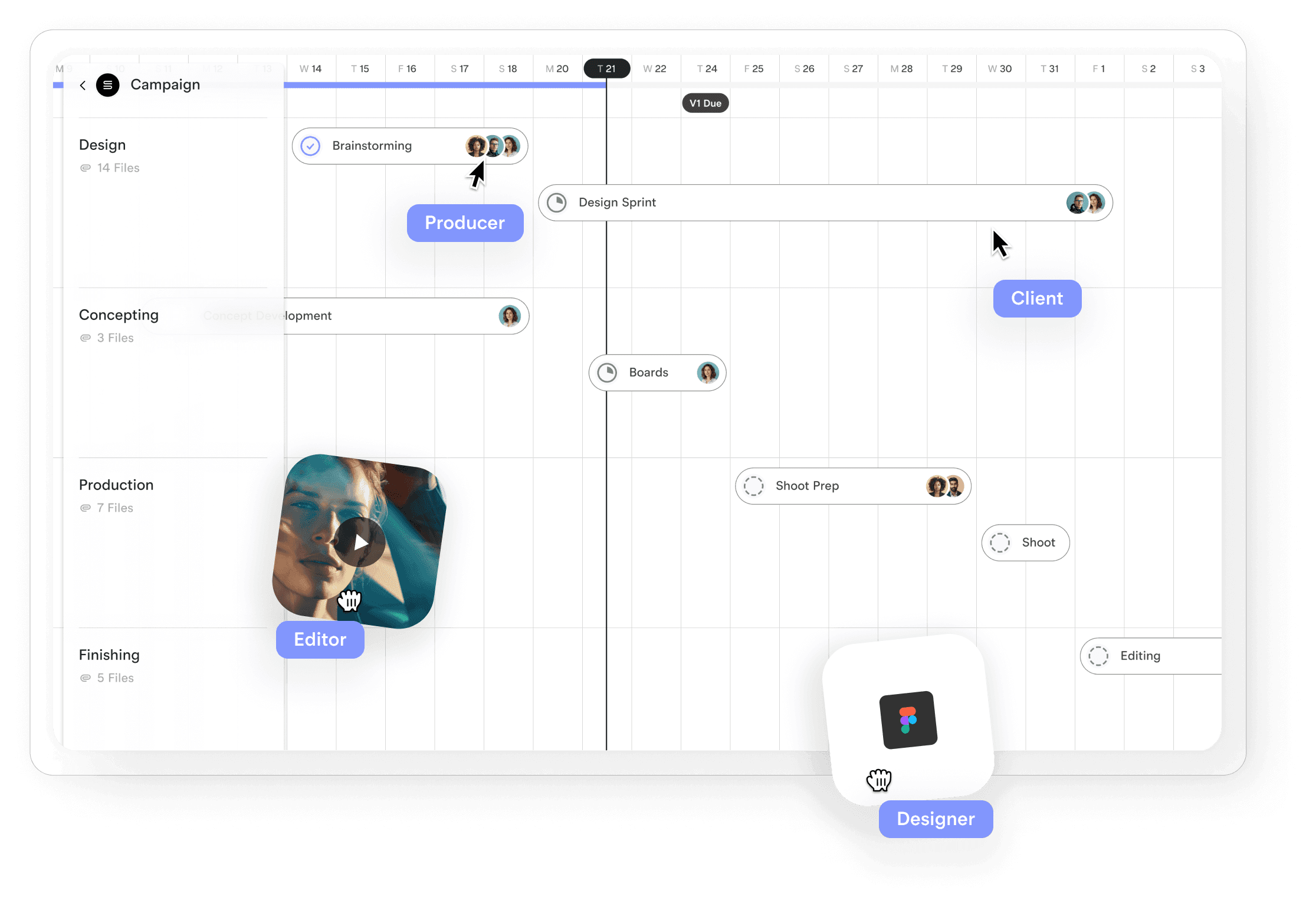
Assemble does exactly that.
Instead of scattered docs and spreadsheets, you build a single system that holds skill gaps, training programs, budgets, and metrics in one place.
Less admin. More execution.
Build a system, not a document
A training plan is not something you finish. It is something you run.
Start with clear outcomes. Focus on real gaps. Design training around work. Measure impact.
Then refine.
If your plan feels heavy or unclear, it is broken.
Fix the structure and performance follows.
Build it once. Make it better every cycle.
Then put it somewhere your team will actually use it.
Want a cleaner way to run L&D without the chaos? Try building your next plan in Assemble.