Product
BCP Incident Response Checklist: Most Companies Don’t Have One, They Have Wishful Thinking
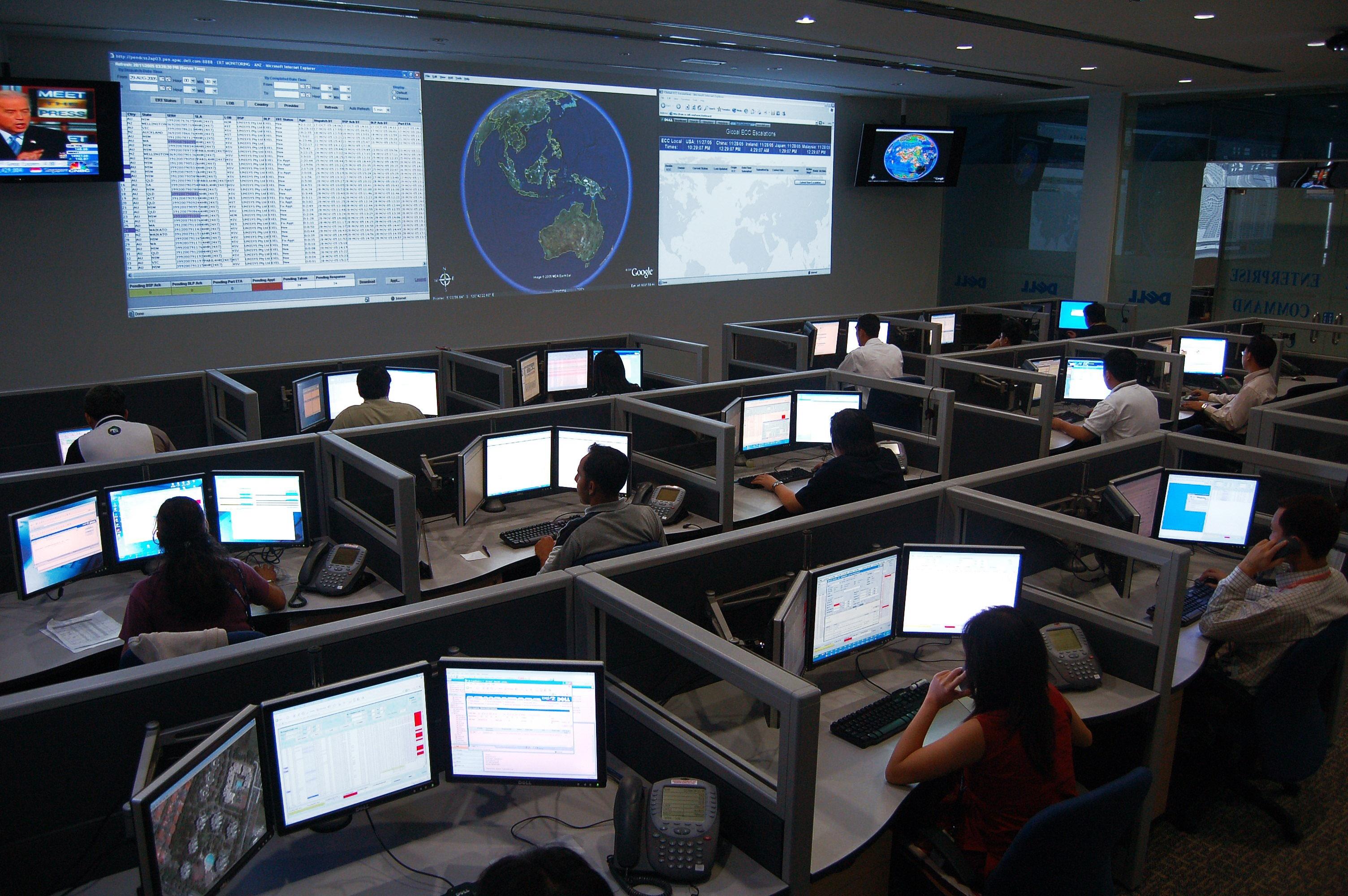
The outage is never the real problem.
The real problem starts five minutes later, when nobody knows who owns the response.
Slack turns into noise. Leadership wants updates nobody has yet. Someone’s digging through Notion looking for the “latest” continuity plan while support teams copy-paste conflicting messages to customers.
This is how small incidents become expensive ones.
Most business continuity plans fail for one simple reason: they were written for audits, not reality.
A proper BCP incident response checklist does one job. It removes hesitation during chaos.
No guessing. No duplicated effort. No “who’s handling this?” messages flying around at midnight.
Just process.

Most Incident Response Plans Collapse Under Pressure
Not because teams are incapable.
Because stress destroys coordination.
People skip steps. Teams work in silos. Critical updates disappear inside chat threads. Recovery gets delayed because nobody agreed priorities upfront.
The issue itself becomes secondary. Now you’ve got:
Confused leadership
Delayed customer communication
Missing audit trails
Teams solving the same problem twice
Recovery work happening in the wrong order
The organisations that recover fastest treat incident response like operations, not documentation.
That changes everything.

The 5-Part Incident Response Model That Actually Works
Good response plans are brutally simple.
The best ones reduce complex incidents into five operational stages.
1. Detect Fast
Speed matters more than perfection early on.
The first few minutes determine whether an incident stays contained or spirals out of control.
Every response process should define:
How incidents are reported
Who owns the initial triage?
Severity levels
Escalation rules
Where updates are logged
Most companies overcomplicate this.
You do not need a 14-point scoring framework during an outage.
You need clarity.
Severity | Example | Response |
|---|---|---|
Low | Minor internal issue | Business hours |
Medium | Partial service disruption | Within 1 hour |
High | Major customer impact | Immediate |
Critical | Security breach or full outage | Full incident activation |
Simple systems survive pressure.
Bloated ones collapse.
2. Contain Before You Fix
This is where teams make expensive mistakes.
They try to restore normality too early instead of stopping the damage spreading.
Containment comes first.
That can mean:
Isolating systems
Disabling accounts
Switching to backup processes
Moving teams remote
Activating failover infrastructure
Pulling vendors into the response immediately
Temporary inconvenience beats uncontrolled escalation every time.
Strong operational teams understand this instinctively.
Weak ones waste hours protecting appearances.

3. Communicate Like Adults
Most incident response communication is terrible.
Corporate language makes everything worse.
Nobody trusts:
“We are currently investigating an issue affecting a subset of users.”
Say what happened.
Say what’s impacted.
Say what happens next.
That’s it.
Internally, teams need:
Current status
Ownership clarity
Next update time
Immediate actions
Externally, customers need honesty.
Silence creates more damage than outages do.
A slow recovery with strong communication is survivable.
Confusion isn’t.
4. Recover in the Right Order
Recovery is where bad planning gets exposed.
Most organisations know what systems they have.
Far fewer understand dependency order.
That’s why recovery drags.
Teams restore low priority tools while critical operations remain offline.
Every serious continuity plan should map:
Critical business functions
Recovery Time Objectives (RTO)
Recovery Point Objectives (RPO)
Infrastructure dependencies
Communication ownership
Vendor escalation paths
Without that structure, recovery becomes improvisation.
Improvisation is expensive.

5. Review Ruthlessly
Most post-incident reviews are theatre.
A quick meeting. A few polite observations. Then everyone moves on until the next disaster repeats the same flaws.
Useful reviews ask harder questions:
What slowed response?
Not technically. Operationally.
Where did communication break?
Slack? Email? Ownership confusion?
Which processes failed under pressure?
Those are the ones worth fixing first.
What should become standard?
Every incident exposes repeatable patterns.
Capture them properly and the organisation gets stronger.
Ignore them and the same weaknesses return six months later wearing different clothes.
What Good Incident Response Actually Looks Like
A SaaS company loses access to its CRM after a vendor outage.
Bad response:
Sales exports random spreadsheets
Support gives conflicting updates
Leadership interrupts engineers every ten minutes
Finance doesn’t know reporting is delayed
Nobody owns customer messaging
Good response:
Severity classified in minutes
Incident lead assigned immediately
Backup reporting process activated
Customer comms template published
Vendor escalation owner identified
Internal updates scheduled hourly
Recovery actions logged centrally
Same outage.
Different outcome.
One creates panic.
The other creates trust.
Most BCP Templates Are Useless
They’re bloated compliance documents built to satisfy procurement teams and auditors.
Nobody uses them during real incidents because they’re impossible to navigate under pressure.
Useful templates are operational.
They tell teams exactly what to do next.
A strong incident response checklist should include:
Incident Identification
Detection source
Severity level
Impacted systems
Incident owner
Initial Response
Incident response team activation
Escalation triggers
Internal communication steps
Emergency actions
Containment
Isolation procedures
Backup process activation
Vendor engagement
Dependency management
Communication
Internal update templates
Customer status messaging
Regulatory notifications
Update frequency
Recovery
Infrastructure restoration
Validation checkpoints
System monitoring
Operational sign-off
Post-Incident Review
Root cause analysis
Lessons learned
Ownership actions
Process improvements
This is the difference between a continuity document and an operational system.
One gets stored.
The other gets used.
Why Smart Teams Are Moving to Modular Templates
Static documents age badly.
Operations change too fast.
New vendors. New tooling. Remote teams. Compliance updates. Process changes. Different escalation paths.
Most continuity documentation becomes outdated within months.
That’s why more operational teams are shifting towards modular template systems instead of giant static playbooks.
The approach is simple:
Build reusable incident workflows
Standardise communication
Create repeatable recovery structures
Centralise operational knowledge
Update processes once, apply everywhere
Less friction.
Faster response.
Better consistency under pressure.

Where Assemble Fits
This is where Assemble makes sense.
Not as another documentation tool.
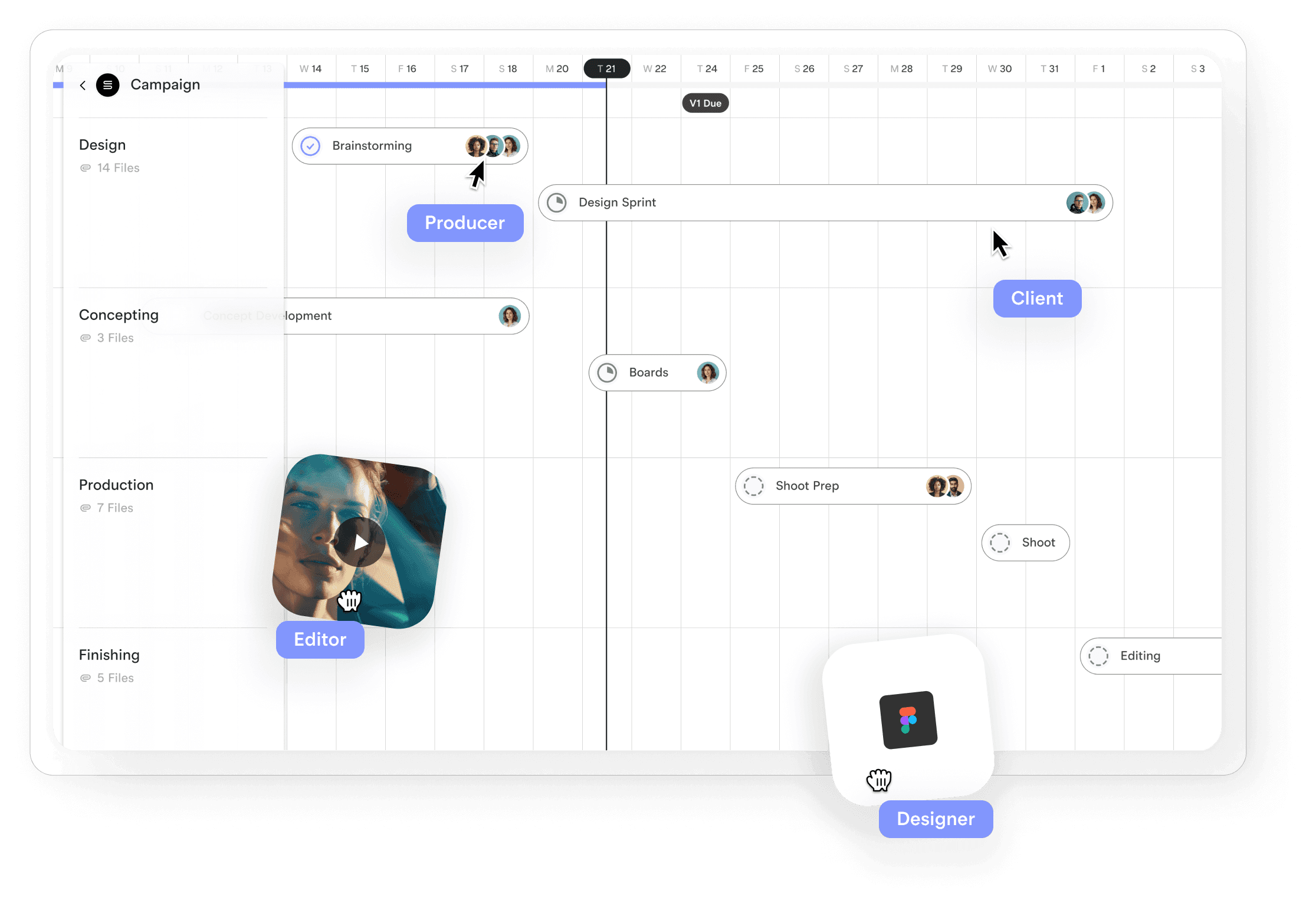
Assemble helps teams turn messy operational knowledge into structured, reusable systems people can actually follow during incidents.
Instead of scattered PDFs, duplicated checklists, and outdated SOPs sitting in forgotten folders, teams build living operational templates that stay current and usable.
That matters during a real incident.
Nobody performs well while hunting for version_final_FINAL_v3.pdf.
The companies that recover fastest aren’t calmer because they hired better people.
They’re calmer because the process already exists.
Clear ownership.
Clear communication.
Clear recovery steps.
No scrambling.
No guessing.
Just execution.
That’s what operational maturity actually looks like.
Your continuity plan shouldn’t live in a forgotten folder.
The best operational teams don’t improvise during incidents. They execute systems they’ve already built.
Assemble helps teams turn scattered SOPs, outdated PDFs, and messy response docs into structured operational templates people can actually use under pressure.
Build incident workflows once. Reuse them everywhere. Keep them current.
Because when systems fail, clarity matters more than good intentions.
See how Assemble turns continuity planning into operational execution.