Product
Manager Review Template That Actually Improves Performance

The Manager Review Template That Actually Improves Performance
Most performance reviews fail long before the meeting starts.
The goals were vague.
The feedback was improvised.
The structure was missing.
By the time the review happens, both people are guessing. Managers rely on recent memories. Employees try to interpret polite language. Nobody leaves with a clear sense of what actually needs to change.
This is not a people problem. It is a structure problem.
Fix the structure and the conversation improves instantly.
Why Most Performance Reviews Break Down
Look at a typical employee review and three problems appear immediately.
Goals were never defined clearly.
Feedback is based on opinion instead of observable behaviour.
The conversation focuses on the past instead of the next cycle.
Without structure, managers fall into recency bias. The last few weeks dominate the discussion while months of work disappear.
Another issue is cognitive overload. A single conversation tries to cover goals, collaboration, promotion potential, growth areas, and compensation. The meeting drifts.
A strong review template separates these ideas. It forces clarity.
The difference is dramatic.
The 5-Part Performance Review Structure
A useful review moves from evidence to action. Nothing else.
This five-part structure keeps the conversation grounded.
1. Context
Start with the facts.
Employee name
Role
Manager
Review period
Date
Reviews often become reference documents later. Promotion discussions. Compensation reviews. Leadership decisions.
Without context the document loses value immediately.
2. Performance Summary
This section is the manager's judgement.
Not polite language. Not hedging. A clear assessment.
Three questions help:
Did the person deliver what the role requires?
Did they create measurable impact?
Did they take ownership when problems appeared?
Example:
Alex consistently delivered major milestones and kept stakeholders aligned during the product launch. The main improvement area is prioritisation when multiple deadlines overlap.
Clear judgement creates honest conversations.
3. Goal Achievement
Goals anchor the review in reality.
Without them the discussion becomes opinion.
Use a simple structure.
Goal
Target outcome
Actual outcome
Rating
Notes
Three rating categories are enough.
Exceeds expectations
Meets expectations
Needs improvement
More complex rating systems create false precision.
The useful discussion is not the score. It is the gap between the expected outcome and the actual result.
4. Strengths and Contributions
This section answers one question.
What behaviours produced results?
Avoid vague praise.
Bad feedback:
Strong communicator.
Better feedback:
Clear updates during the product launch kept three teams aligned and prevented delivery delays.
Specific behaviour tells people what to repeat.
5. Development Areas
Most reviews fail here.
Managers soften the message or hide the real issue behind vague language.
That protects feelings and blocks improvement.
Weak feedback:
Needs to be more proactive.
Actionable feedback:
Several projects stalled while stakeholders waited for updates. Weekly progress updates would remove this friction.
Development feedback should describe behaviour and the change required.
Collaboration and Team Impact
Performance rarely happens in isolation.
People influence progress through communication, coordination, and decision making.
Ask three questions.
Do they keep stakeholders informed?
Do they unblock others or create friction?
Do they bring clarity when projects become messy?
A short paragraph is enough if the observation is sharp.
Growth and Future Potential
Reviews should point forward.
What responsibility could this person handle next?
Leadership potential often appears here. So does deeper ownership of complex projects.
The question is simple.
What is the next level of contribution?
Feedback for the Next Cycle
Every review should end with direction.
Three priorities are enough.
Example:
Improve prioritisation when deadlines collide
Lead the next cross team launch project
Establish a weekly stakeholder update habit
If the employee leaves unsure what matters next, the review failed.
What This Looks Like in Practice
A product team ships a new feature.
The engineer delivered the code on schedule. The documentation arrived two weeks later. Early customers struggled to use the feature.
A weak review might say:
Great work overall, documentation could improve.
A useful review says:
Feature delivery was excellent. Documentation arrived two weeks late, which slowed customer adoption. Future releases should include documentation alongside the feature.
Now the expectation is obvious.
The Hidden Problem With Performance Reviews
Most organisations already understand how reviews should work.
Execution breaks down.
Templates live in scattered documents. Managers modify them. Teams improvise. After two review cycles every review looks different.
Consistency disappears.
When structure disappears, fairness disappears too.
Why Templates Change Everything
A strong template forces discipline.
Every review covers the same structure.
Every manager prepares using the same framework.
Every employee receives feedback in the same format.
That consistency improves decision making across the organisation.
The problem is most templates live in static documents. People copy them, edit them, and slowly break them.
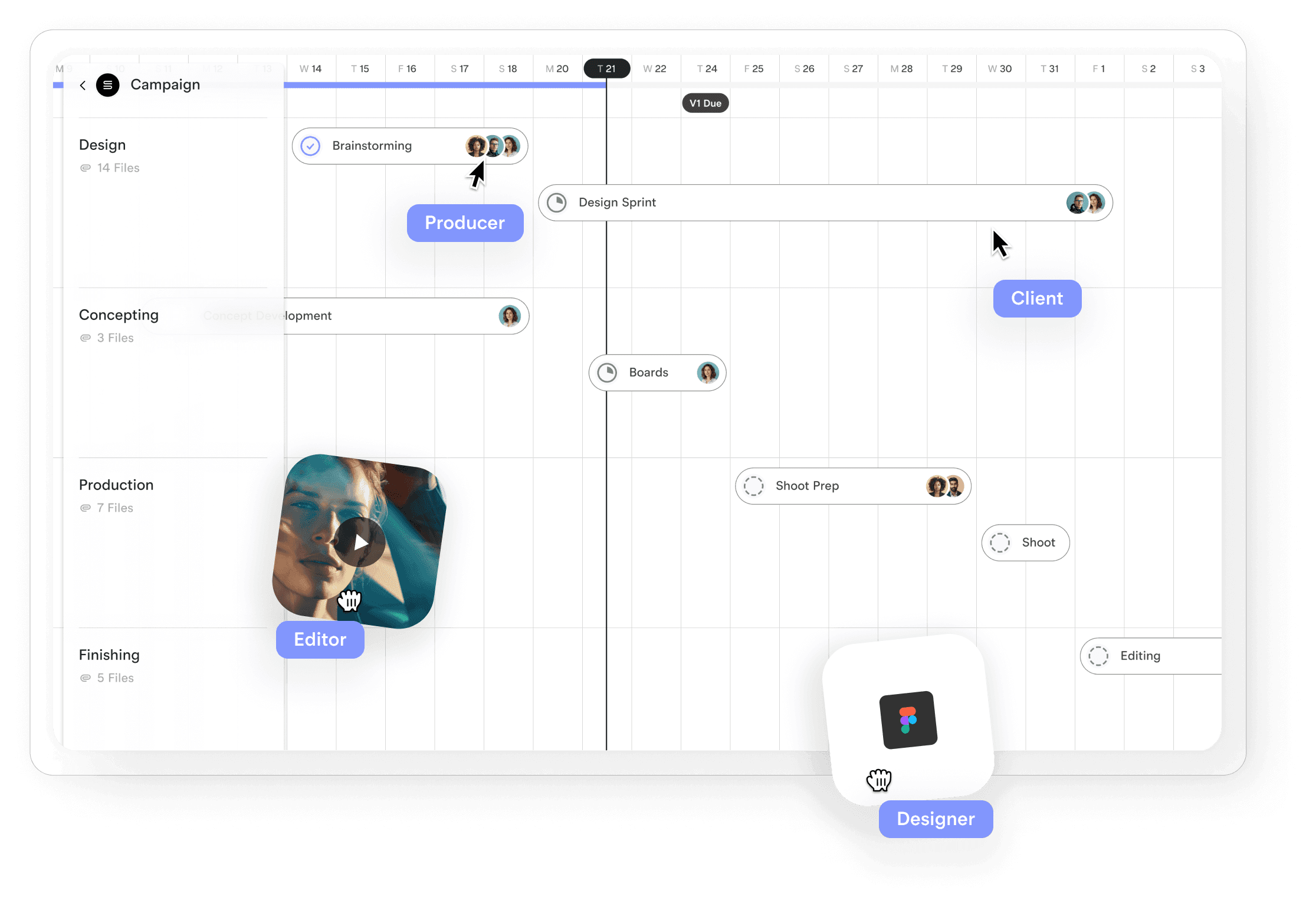
This is where tools like Assemble become useful.
Instead of rebuilding the document every cycle, teams create a structured review template once. The framework stays intact. Managers focus on the thinking instead of formatting.
Good reviews become repeatable.

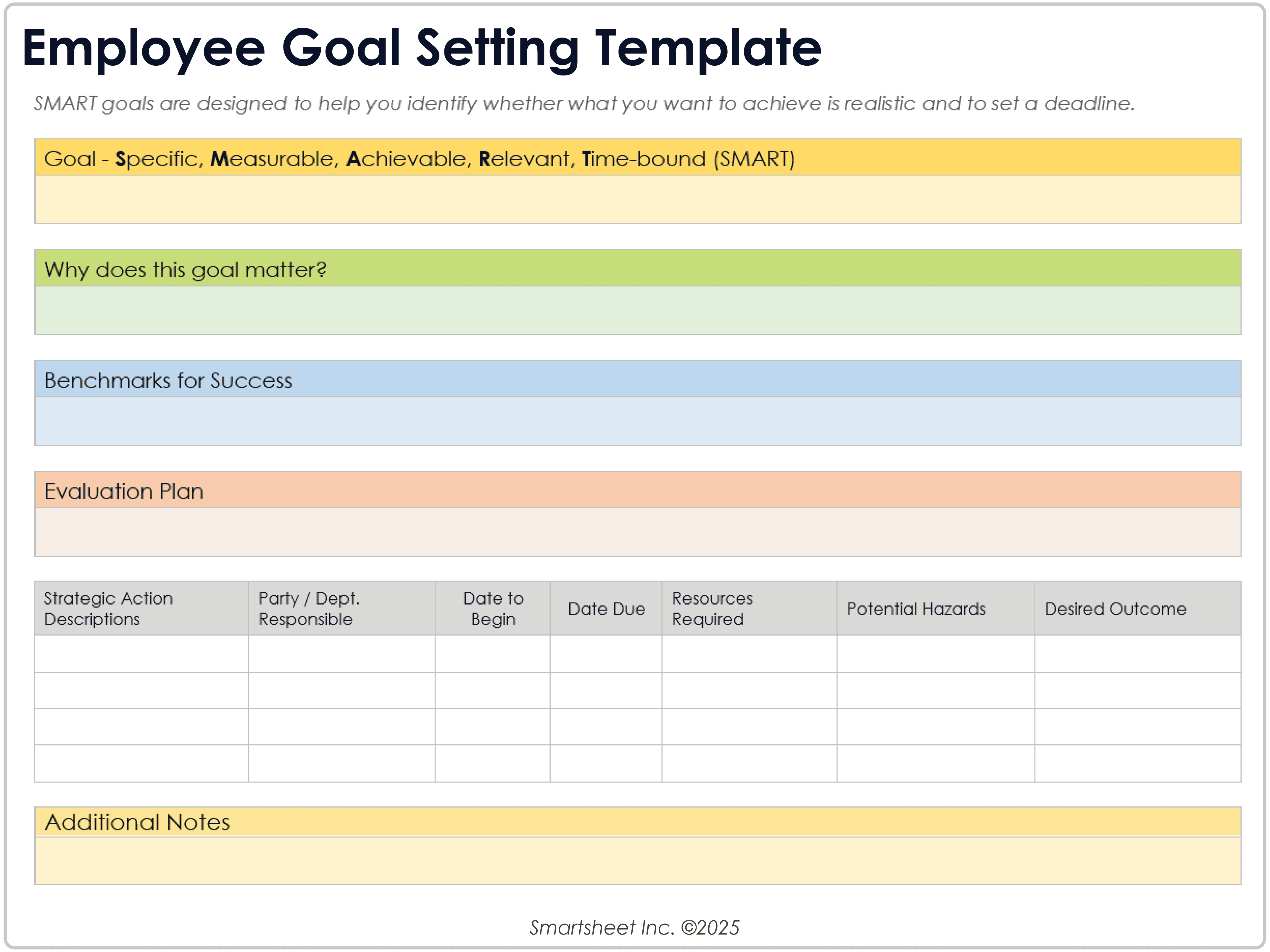
The Practical Manager Review Template
A working structure looks like this.
Employee Information
Employee name
Role
Manager
Review period
Date completed
Performance Summary
Short assessment of overall performance.
Goal Achievement
Goal
Target outcome
Actual outcome
Rating
Notes
Strengths and Key Contributions
Behaviours that created meaningful results.
Areas for Development
Behaviours that must improve.
Collaboration and Teamwork
Impact on team progress and communication.
Growth and Potential
Future trajectory and readiness for larger responsibility.
Feedback for the Next Cycle
Three clear priorities for the next review period.
Overall Rating
Exceeds expectations
Meets expectations
Needs improvement
The structure is simple. The thinking behind it matters.
Build the Structure Once
Performance reviews should not depend on individual writing styles or random documents.
They should follow a system.
When the structure stays consistent, feedback improves. Decisions become clearer. Progress becomes visible.
That is why teams build these templates inside Assemble.
The framework lives in one place. Every review uses the same structure. Managers spend their time thinking about performance, not formatting documents.
The result is simple.
Better conversations. Clearer expectations. Real improvement.
Create the template once. Run better reviews every cycle.
Build your performance review template in Assemble and run better reviews from the next cycle onward.